
In its report on 2024, the Massachusetts Division of Insurance says the FAIR Plan writes 39.6 percent of the home insurance on the Cape and Islands and under 12 percent of the policies in each other county. The same report says the plan must offer coverage to homes with a replacement cost of up to one million, and that an owner whose home is worth more than the plan will cover, and who cannot get a policy from an admitted company, can turn to the surplus lines market. Flood is always a separate policy.
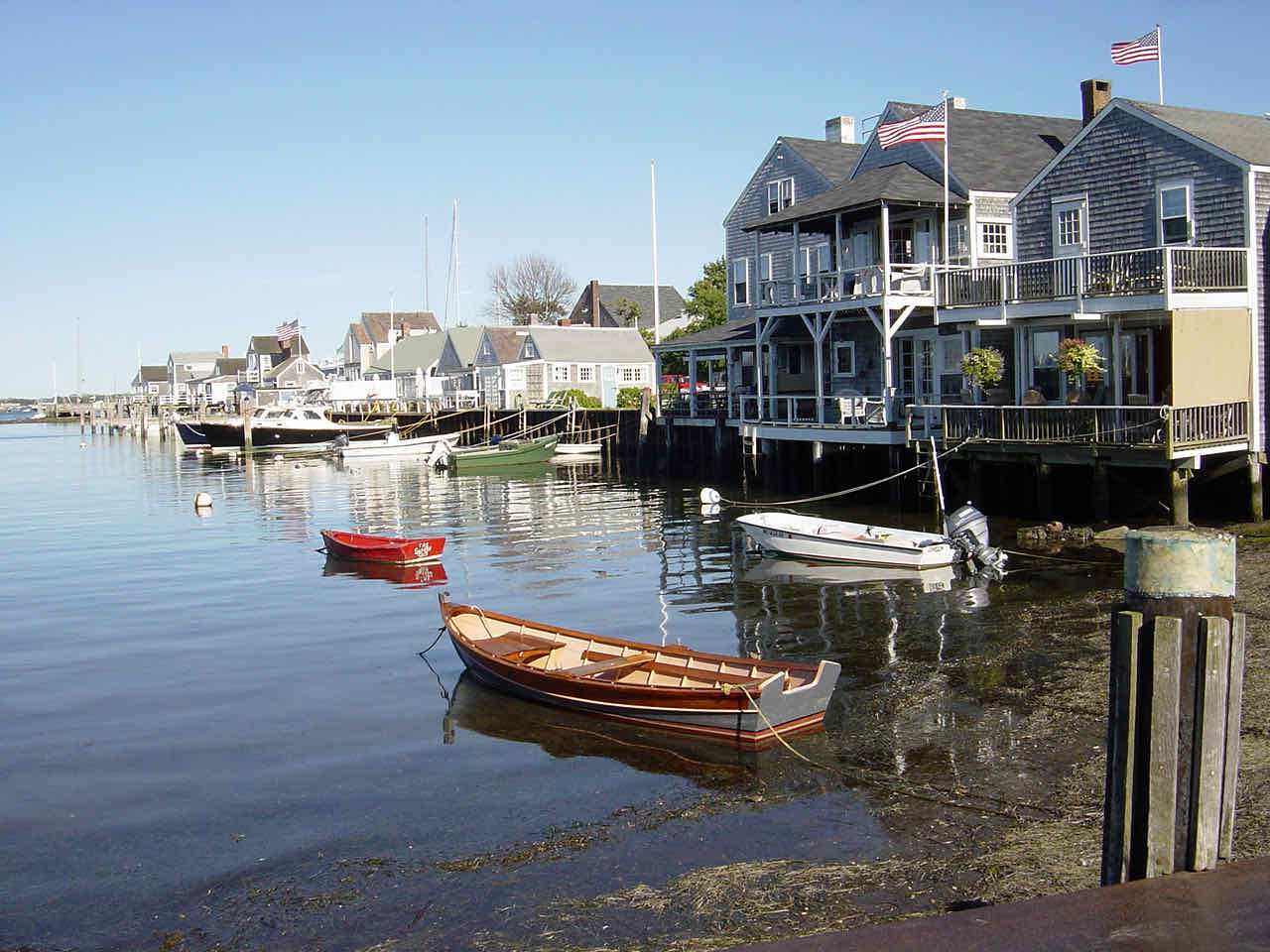

Where a large house leaves the FAIR Plan
The Massachusetts Property Insurance Underwriting Association, the FAIR Plan, is the insurer of last resort, and the Division of Insurance describes it since its April 2024 reorganization as a joint underwriting association that issues policies as a direct insurer. It carries a large share of the Cape and Islands, but a house with a rebuild cost in the millions outgrows it quickly. Three routes are left:
- Admitted insurersCompanies admitted in Massachusetts that write large homes on their own forms, with their own wind terms and inspection requirements.
- FAIR Plan plus excessThe plan's policy up to its limit with a second policy above it. How the Massachusetts FAIR Plan works.
- Surplus linesThe Division describes surplus lines companies as insurers not admitted in Massachusetts that may issue coverage only through specially licensed surplus lines brokers. Under General Laws chapter 175, section 168, that broker files an affidavit with the Commissioner within 20 days stating that the full amount of insurance required was not procurable, after a diligent effort, from admitted companies, and that the amount placed is only the excess over what admitted companies would provide.
Ask me which route each quote uses before you compare them; the forms differ far more than the names on the cover page suggest.
Wind deductibles, as the Division describes them
I have found no Massachusetts statute that fixes a hurricane deductible. What exists is what insurers have filed, and the Division's 2024 report describes it this way: many companies have amended their policies to include mandatory wind deductibles, which may apply to any wind damage in specified coastal territories, typically in Bristol, Plymouth, Barnstable, Dukes and Nantucket counties or within a set distance of the shore, as a flat amount or a percentage of the dwelling coverage. Of the FAIR Plan and the top 25 companies, all but four reported mandatory wind deductibles, running up to 5 percent of the coverage on the main structure, with the largest in the coastal parts of those five counties.
- Disclosure: the Division requires insurers to give clear disclosure of the deductible before you buy, often on the declarations page.
- Trigger: a wind deductible applies to any wind loss; a named storm deductible, the kind the FAIR Plan uses, applies only to a hurricane or tropical storm named by the National Weather Service.
- Mitigation: the Division encourages insurers to reduce or remove the deductible for storm shutters or shatterproof glass, reinforced garage and patio doors, and roof and foundation anchoring.
A percentage deductible grows with the dwelling limit, so on a large house I read it as a dollar figure and price the alternatives. Hurricane deductibles explained.
Bluffs, beaches and what a flood policy says about erosion
The state's Shoreline Change Project uses Sankaty Head on Nantucket as its example of why long-term averages mislead: ten transects there show a long-term trend close to zero from 1846 to 2009, yet short-term erosion of about 9.5 feet a year and roughly 300 feet lost between 1978 and 2009. Nantucket's Coastal Resilience Plan adds that parts of the South Shore have eroded more than one hundred feet inland in the past decade, that a bluff once eroded does not recover, and that 2,373 structures are at risk from coastal flooding and erosion through 2070, 84 percent of them residential.
Insurance answers only part of that. The federal Standard Flood Insurance Policy counts as flood the collapse or subsidence of land along a shore from erosion or undermining caused by waves or currents exceeding anticipated cyclical levels that result in a flood, and it lists gradual erosion among the earth movement it does not cover. For a single-family home the federal program's maximum is two hundred fifty thousand dollars on the building and one hundred thousand on contents (44 CFR 61.6), so a large waterfront house needs private or excess flood above it. Excess flood for high-value homes.
Who approves the rebuild
On Nantucket the whole island, with Tuckernuck and Muskeget, is the historic district. The Historic District Commission, acting under chapter 395 of the Acts of 1970, states that no building or structure may be constructed or altered in any way that affects exterior architectural features until it has reviewed and approved the work, including its size, shape and siting, and issued a Certificate of Appropriateness. Its guidelines are published as Building with Nantucket in Mind, and the commission notes that its approval does not replace the Conservation Commission, Planning Board or Zoning Board of Appeals.
On Martha's Vineyard the rules are set town by town. Chilmark's zoning bylaw, section 6.11, ties house size to acreage. As that section read in the town's 2019 printing (the town has amended its bylaw since, so check the current text with the building department), for new construction, or a project that adds living area to a lot with buildings from before April 22, 2013, a building permit issues without a special permit only where the lot's total living area stays within 3,500 square feet for three acres, plus or minus 250 square feet for each acre above or below that, and the Zoning Board of Appeals can grant a special permit only up to 6,000 square feet for three acres on the same scale. Where a historic house was excluded from that total, replicating it after a fire, hurricane or other catastrophe needs a special permit.
Design review and special permits add months and required materials to a rebuild. Ask me to size the building-code coverage and the living-expense limit for that, and ask the town how its rules would treat your house before a loss. How ordinance or law coverage works.
A house that is closed for the winter
The Massachusetts standard fire policy, chapter 175, section 99, says that unless otherwise provided in writing the company is not liable for loss occurring while the premises are vacant or unoccupied beyond sixty consecutive days, for residential premises of three units or less. A seasonal house passes sixty days every winter, so the permission has to be in the policy in writing. Read the freezing wording next to it: forms commonly ask that heat be maintained or the water shut off and the lines drained.
Tell me the months the house is closed, who checks it and how often, and whether it has a low-temperature alarm and an automatic water shutoff. Second home insurance and freeze claims cover the details.
The non-renewal notice is a seasonal problem too. Chapter 175, section 193P requires written notice at least forty-five days before expiration with the specific reasons, and lets the insurer send it either to the mailing address on the policy or to the agent or broker, who then has fifteen days to send a copy on. Keep the mailing address where you read mail in the off-season.
Staff, collections, title and the umbrella
- Household staffGeneral Laws chapter 152, section 1 leaves workers' compensation elective for employers of seasonal, casual or part-time domestic servants, and defines part-time as less than sixteen hours a week. A caretaker or housekeeper above that, employed by you rather than by a service, is a question to settle before the season.
- Replacement costHigh-value forms can extend the dwelling limit or pay the full cost to rebuild, and some offer a cash settlement if you choose not to rebuild. How the versions differ.
- Art, jewelry and wineScheduled piece by piece at an agreed value, with the appraisals kept off the island. Insuring collections.
- Trusts and LLCsThe named insured has to match the deed. Homes held in a trust or LLC.
- RenovationA major renovation changes the risk; ask for builder's risk or a renovation endorsement before work starts.
- Excess liabilityAn umbrella over the home, cars, boats and any weeks the house is rented.
Ways to start
- Have your current policy readUpload the declarations page and get a written second look in about a minute: what it covers, what to double-check and what it leaves out.
- Send everything at onceOwners, business managers and family offices: private client insurance puts every home, flood, earthquake, umbrella and valuables policy on one file.
- Buying, with a closing dateYour real estate agent can send me the address and the closing date, and the evidence of insurance goes to escrow and the lender.
- Check the address and the limitThe address hazard lookup shows the flood zone, wildfire hazard and nearby fires on the public maps, and the rebuild cost estimator checks the dwelling limit.
What I need to quote
The declarations pages for the home, flood and umbrella policies and any non-renewal notice; a rebuild estimate or appraisal; year built, square footage and construction; the roof's age and how it is anchored; window, door and garage door ratings; distance to the water or the bluff edge and the flood zone, with an elevation certificate if you have one; any Historic District Commission or town approvals on file; the months the house is closed and who checks it; rental weeks; household staff and weekly hours; how title is held; and a schedule of art, jewelry and wine with appraisal dates.
Common questions
Who insures a multi-million-dollar home on Nantucket or Martha's Vineyard?
Admitted insurers that write large homes, the Massachusetts FAIR Plan up to its limit with an excess policy above it, or surplus lines insurers placed through a surplus lines broker. The rebuild cost, the distance to the water and how the house is used decide the route.
Can the Massachusetts FAIR Plan insure my whole house on the Islands?
Only up to its limit. The Division of Insurance says the plan must offer coverage to homes with a replacement cost of up to one million, and that an owner above that who cannot find an admitted company can seek surplus lines coverage.
Is there a hurricane deductible law in Massachusetts?
I have found no statute that sets one. The Division of Insurance reports that most large insurers file mandatory wind deductibles of up to 5 percent of the dwelling coverage in coastal territories, and it requires clear disclosure before you buy.
Does flood insurance cover erosion under my house on Nantucket?
The federal flood policy covers collapse or subsidence of land along a shore caused by waves or currents above anticipated cyclical levels that result in a flood, and it excludes gradual erosion. Home policies have not traditionally covered flood at all.
Do I need approval to rebuild my Nantucket house after a fire?
Yes for anything that affects exterior architectural features. The Historic District Commission's jurisdiction is the entire island, and it reviews size, shape and siting before it issues a Certificate of Appropriateness.
Will my policy cover the house while it is closed for the winter?
Check for written permission. The Massachusetts standard fire policy suspends coverage after sixty consecutive days of vacancy or unoccupancy on a home of three units or less unless the policy provides otherwise in writing.
Do I need workers' comp for a caretaker on Martha's Vineyard?
Massachusetts law makes it elective for seasonal, casual or part-time domestic servants, with part-time defined as under sixteen hours a week. Tell me who works at the house and for how many hours, and whether a service employs them.
General information about high-value home insurance on Nantucket and Martha's Vineyard as of November 2026, not legal advice. Market figures are from the Massachusetts Division of Insurance's home insurance report for 2024; erosion figures are the state's Shoreline Change Project's and the Town of Nantucket's; statutes, town bylaws and the federal flood policy are summarized as they read in November 2026. Your policy wording controls what is covered. Coverage depends on underwriting and the terms, conditions and exclusions of the policy actually issued.