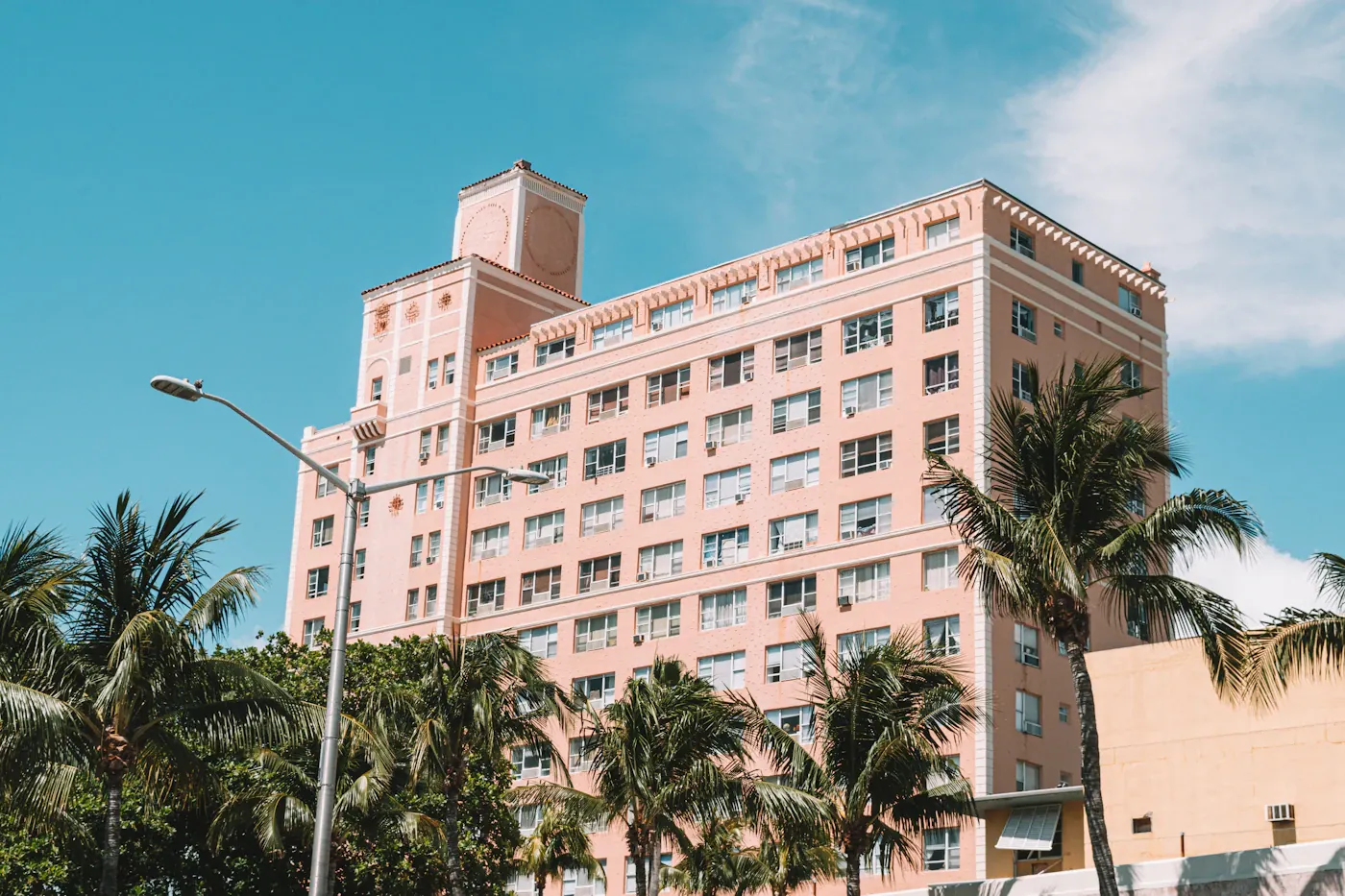
In Los Angeles, 1978 is the dividing year for both the Rent Stabilization Ordinance and the soft-story retrofit program. Underwriters read an older building through that lens: retrofit status, original systems, inspection history and a rent roll that cannot simply be reset after a loss. Send me the documents that answer those questions and I can take the building to the markets that actually want it.
What makes a Los Angeles apartment building different
- Rent Stabilization OrdinanceGenerally applies to rental properties first built on or before October 1, 1978, including residential units attached to a commercial building. It shapes how rent comes back after a loss.
- Mandatory seismic retrofitWood-frame buildings with tuck-under parking, built under codes in effect before 1978, received city retrofit orders in 2016 and 2017; older concrete buildings fall under a separate retrofit ordinance. Underwriters ask for the status.
- City inspectionsHousing and fire inspectors visit apartment buildings on a cycle, and their records follow the building.
- Older systemsOriginal supply lines, panels and roofs drive water and fire losses.
- Ground-floor retailMany buildings on commercial corridors are mixed-use, which adds a commercial tenant’s liability and a different rent stream. How mixed-use buildings are insured.
The policy structure is the same as anywhere (how apartment programs are put together); what changes here is what the underwriter asks.
Soft-story and concrete retrofit status
Ordinances 183893 and 184081 require retrofit of wood-frame buildings of two or more stories, built under codes in effect before January 1, 1978, with ground-floor parking or similar open space; residential buildings with three or fewer units are outside the program. LADBS sent orders to comply in priority groups from May 2016 through November 2017, and owners had seven years from the order to finish construction. LADBS’s posted compliance report, showing status as of February 1, 2024, counted 12,347 soft-story buildings, 9,377 of them (76 percent) with certificates of compliance. Concrete buildings built under a permit application submitted before January 13, 1977 fall under a separate ordinance with a 25-year deadline.
For insurance, the questions are practical:
- Is the building in scope, and did it receive an order to comply?
- Is the work finished, with a certificate of compliance or a final permit you can produce?
- If not, why not — an open order is something underwriters see as both a structural and a code-enforcement problem.
- Is construction under way? The work itself may need builder’s risk and the contractor’s certificates on file.
A signed-off retrofit is the most useful document a tuck-under building’s owner can send me.
Earthquake coverage for the building
Earthquake shake damage is typically excluded from standard commercial property policies, and the California Earthquake Authority writes residential policies for homeowners, condo owners, renters and mobilehome owners, not apartment buildings. Earthquake for an apartment building is placed separately in the commercial market, usually as its own policy or a difference-in-conditions policy with its own deductible.
Retrofit status matters most here. Earthquake underwriters want the year built, construction type, stories, soft-story condition and the retrofit paperwork, and many lenders on older buildings have their own seismic requirements. How earthquake coverage works in California.
Loss of rents, the RSO and displaced tenants
After a covered fire or water loss, loss of rents (rental value) coverage is what keeps the mortgage paid while units are out of service. In Los Angeles three local facts should shape how you buy it:
- Size it to the actual rent roll and a realistic rebuild time. A limit chosen years ago may run out before the units are back. How income coverage works.
- The rent does not reset. If you end RSO tenancies to comply with a government order to vacate, the ordinance lets you re-rent the unit only at the lawful rent in effect when the tenancy ended, plus the allowed annual increases. Plan on getting the same rent roll back, not a market-rate one.
- Relocation depends on cause, and on the city’s finding. The RSO and the city’s rules for orders to vacate both say a landlord is not liable for relocation benefits if the city determines the unit became unsafe because of a fire, flood, earthquake or other event beyond the landlord’s control and the landlord did not cause or contribute to it. The city decides case by case, and if the owner contributed — deferred maintenance, an ignored order — the exception does not apply. Check with LAHD.
Planned work is different. Re-piping, re-wiring, panel replacement and seismic retrofit in an RSO building fall within LAHD’s Tenant Habitability Program, which requires an approved plan for protecting tenants, including temporary relocation; if the work leaves a unit untenantable for 30 days or more, the tenant may choose permanent relocation assistance instead. Whether a relocation payment is covered depends on the policy’s extra expense and rental value wording; read it before you need it.
Older systems underwriters ask about
Water is the common claim in an older Los Angeles building, and wiring the one that ends worst. Expect these questions, with years:
- Plumbing: galvanized or cast-iron supply and drain lines, and when the building was re-piped.
- Electrical: any knob-and-tube wiring, panel brand and age, and amperage per unit.
- Roof: age, type and last replacement, by building.
- Water heaters and boilers: age, location and strapping. Equipment breakdown coverage picks up what property coverage leaves out.
- Fire protection: smoke and carbon monoxide alarms, extinguishers, sprinklers where present.
Updates help only if documented, and in an RSO building they run through the Tenant Habitability Program, so plan them early. Rebuilding an older building also triggers current code; ordinance or law coverage pays for that difference, usually up to a separate limit.
Liability, habitability and city inspections
Most liability claims against apartment owners are tenant and guest injuries on stairs, railings, balconies and walkways. Los Angeles adds an inspection record that can be read against you after a loss:
- SCEPLAHD’s Systematic Code Enforcement Program inspects all buildings, units and common areas of rental properties with two or more units. Uncorrected violations can lead to the Rent Escrow Account Program or a City Attorney referral.
- LAFD residential inspectionsThe fire department’s residential apartment inspection program focuses on the building perimeter and common areas, with a follow-up inspection when violations are found.
- Balcony inspectionsState law (Health and Safety Code 17973, from SB 721) requires inspection of wood-supported balconies, decks, stairways and walkways more than six feet above ground at buildings with three or more units. The first inspection was due by January 1, 2026, and it repeats every six years.
Habitability claims are their own category. California law lists what a rental must have, and for leases entered into, amended or extended on or after January 1, 2026 that now includes a working stove and refrigerator. Some habitational liability forms limit or exclude habitability claims, so read the wording, and put a commercial umbrella over the primary limit.
Hillside buildings and hard-to-place risks
The January 2025 Palisades fire burned through Pacific Palisades, inside city limits, and underwriters now look harder at any building near brush. Where the admitted and surplus lines markets decline, the FAIR Plan writes habitational buildings of five or more units. In March 2025 the Insurance Commissioner approved raising its commercial property limits to twenty million dollars per building and one hundred million dollars per location. The FAIR Plan commercial policy is named-peril, so it is usually paired with a difference-in-conditions policy for perils it leaves out, and liability is bought separately. How the FAIR Plan and DIC fit together.
What to send me
- Address, year built, stories, unit count and construction type, with any commercial units on the ground floor.
- Retrofit status: the order to comply, permits and certificate of compliance, or the current schedule.
- The current rent roll, marked to show RSO units, and a recent operating statement.
- Current declarations pages for property, earthquake, liability and umbrella.
- Five years of loss runs, with what was repaired.
- System updates with years: roof, plumbing, electrical, water heaters, and any knob-and-tube or galvanized lines still in place.
- Inspection history: recent SCEP and LAFD reports, the balcony inspection report, and any open orders.
Common questions
Does the soft-story retrofit affect my apartment insurance in Los Angeles?
Yes. Underwriters ask whether a tuck-under building is in scope and whether the retrofit is signed off; a certificate of compliance widens the market, especially for earthquake.
Does apartment building insurance in Los Angeles include earthquake?
Usually not. Earthquake is typically excluded from standard commercial property policies and bought separately, as its own policy or a difference-in-conditions policy with its own deductible.
Do I have to pay RSO tenants to relocate after a fire?
Not necessarily. A landlord is not liable for relocation benefits if the city determines the unit became unsafe from a fire, flood, earthquake or other event beyond the landlord’s control that the landlord did not cause or contribute to. The city decides case by case, so confirm with LAHD.
Will loss of rents pay market rent while my RSO building is repaired?
Generally no. Loss of rents replaces the rent you were collecting, and RSO units vacated to comply with a government order come back at the prior lawful rent. Size the limit to the real rent roll and a realistic rebuild period.
Can you insure an apartment building with ground-floor retail?
Yes. The policy has to account for the commercial tenant, and the residential units may still fall under the RSO.
What if my apartment building is near a fire zone?
If admitted and surplus lines carriers decline, the FAIR Plan writes buildings of five or more units on a named-peril basis, usually paired with a difference-in-conditions policy and separate liability coverage.
General information about insuring apartment buildings in the City of Los Angeles as of October 2026, not legal advice. Retrofit orders, RSO and relocation rules, and inspection programs are set by city ordinance and state law and change; confirm your building’s status with LADBS and LAHD, and your relocation obligations with counsel. Coverage depends on underwriting and the terms, conditions and exclusions of the policy actually issued.