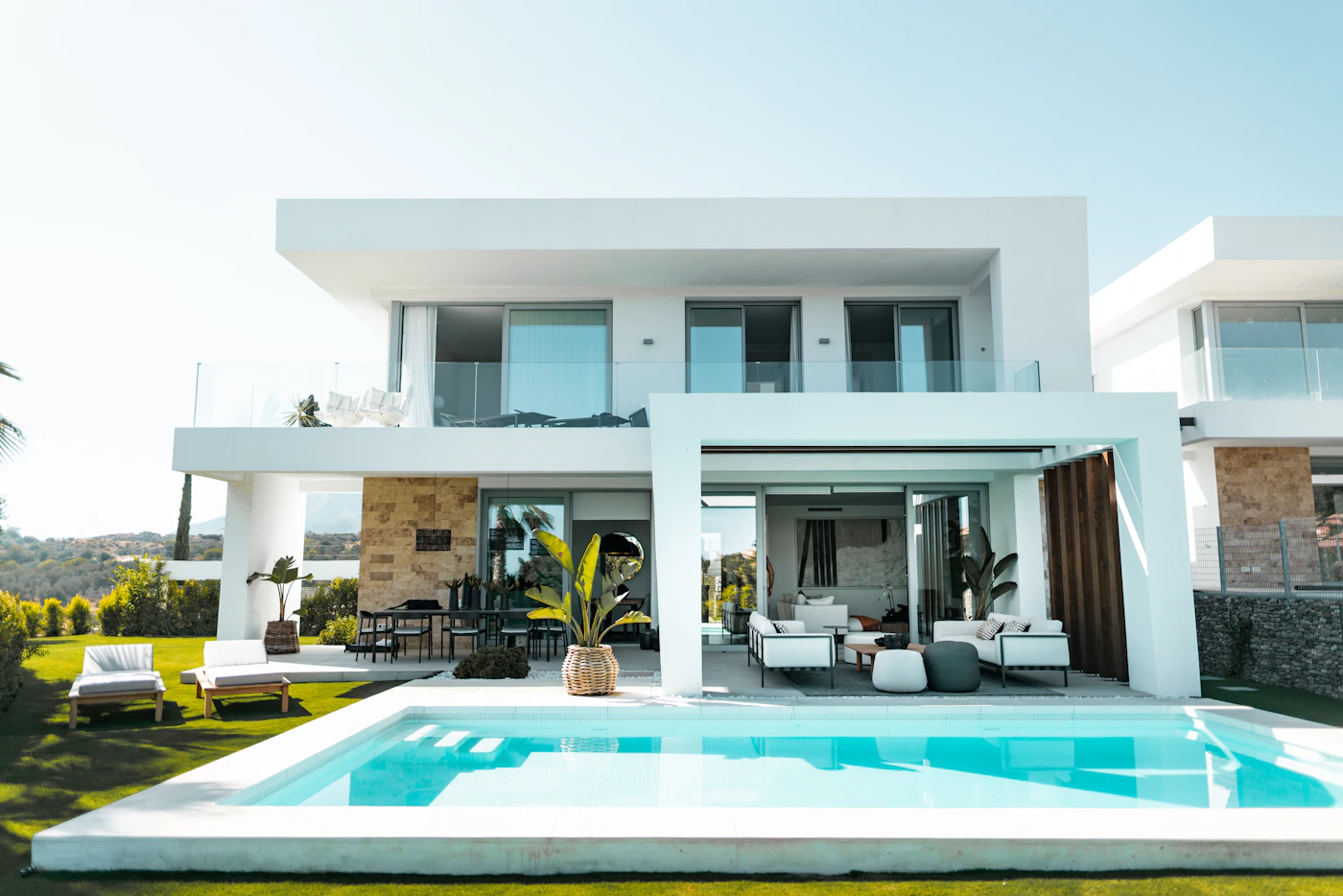
If the ADU is a separate building in the backyard, a standard homeowners policy treats it as an “other structure,” with a limit tied to your dwelling coverage. If it is attached to the house or built inside it, like a junior ADU, it falls under the dwelling coverage itself. Either way, what you do with it matters. On the standard form, a detached unit rented to someone who isn’t a tenant of the main house, or used for a business, is excluded; endorsements exist for rented structures. Nightly rentals are often limited by California law and poorly suited to homeowners policies. If you are building one, tell your insurer in writing and sort out builder’s risk.
Why this comes up so often in California
California’s ADU statutes sit in Chapter 13 of the Government Code (Sections 66310 to 66342), where SB 477 moved them in 2024. Several sections were amended again effective January 1, 2026. Section 66313 defines an ADU as an attached or detached unit with complete independent living facilities on a lot with a proposed or existing primary residence, and a junior ADU as a unit of no more than 500 square feet of interior livable space contained entirely within a single-family residence. Section 66314 says the ADU may be rented separately from the main house.
A detached ADU on a standard homeowners form
On ISO’s standard Homeowners 3 special form (HO 00 03, 05 11 edition), Coverage A covers the dwelling, including structures attached to it. Coverage B covers other structures on the residence premises “set apart from the dwelling by clear space,” which is where a backyard ADU or guest house lands. The form says the Coverage B limit will not be more than 10% of the Coverage A limit. The California Department of Insurance’s guide says Coverage B is normally limited to 10% of Coverage A and that more can be bought.
A finished unit with a kitchen and bath may cost more to rebuild than that default allows, so I look at the Coverage B limit on its own. Coverage B does not cover other structures rented or held for rental to any person who is not a tenant of the dwelling (unless used solely as a private garage), other structures from which any “business” is conducted, or other structures used to store “business” property, with a narrow exception. A guest house your family uses rent-free doesn’t run into these exclusions. One rented to an outside tenant, or used as a studio or office for paying work, needs a closer look. How a homeowners policy treats a home business.
Attached ADUs and JADUs
An ADU attached to the house or built inside it falls under the dwelling coverage, not other structures. A JADU, which by law sits entirely within a single-family residence, is in the same position. The other-structures rental exclusion doesn’t reach it, but the conversion still changes what the house costs to rebuild, so the Coverage A limit should be reviewed. How much dwelling coverage you need.
Renting the ADU to a long-term tenant
- The building. For a detached unit rented to someone who isn’t a tenant of the main house, the Coverage B exclusion applies. ISO’s Structures Rented to Others endorsement (HO 04 40) insures a listed structure on the residence premises rented to a person who is not a tenant of the dwelling for use as a private residence, and treats it as an insured location for liability and medical payments.
- Liability. The HO-3 business exclusion has an exception for renting part of an insured location for use only as a residence, unless a single-family unit is meant to lodge more than two roomers or boarders. Your insurer’s form can differ from ISO’s, so how yours handles a rented unit depends on its wording and endorsements.
- Lost rent. Coverage D’s fair rental value pays the rental value of the part of the residence premises rented to others when a loss covered under Section I makes it unfit to live in, less expenses that stop. If the structure itself is excluded, damage to it isn’t a loss covered under Section I, so it doesn’t trigger this.
- Your tenant’s belongings. The HO-3 excludes property of roomers, boarders and other tenants, except roomers and boarders related to an insured. Tenants need their own renters policy for their belongings.
If you move out and rent both the house and the ADU, the house is no longer the residence premises the form describes (a dwelling where you reside), and a landlord policy is the usual fit. More on ADU insurance.
Short-term rentals
For many ADUs, the law limits short-term rental before insurance does. Government Code Section 66323(e) requires a local agency to require that rentals of ADUs created under that section be for a term longer than 30 days, and Section 66315 lets a local agency require rentals of 30 days or longer. Check your permit and your city’s rules first.
Where nightly rental is allowed, a homeowners policy is a poor fit. The NAIC says most homeowners policies are not designed to cover accidents arising from short-term rentals, and that a property listed with any frequency may be treated as a home-based business. California requires hosting platforms to tell hosts to review restrictions on short-term rental coverage in their homeowners or renters policy (Business and Professions Code Section 22592). The NAIC suggests adding coverage to the homeowners policy, or on-demand coverage where it is available. Short-term rental insurance.
Building an ADU
The HO-3 covers materials and supplies on or next to the residence premises used to construct, alter or repair the dwelling or other structures. Builder’s risk is property insurance designed to cover property in the course of construction, often written with the project’s estimated completed value as the limit. Settle in the contract whether you or your contractor carries it. Builder’s risk insurance.
Tell your insurer before work starts. The Department of Insurance’s homeowners guide tells readers to discuss modifications that may change replacement cost, in writing, with their agent, broker or insurer, and to keep records of renovations and improvements. When the unit is done, review Coverage A for an attached unit or Coverage B for a detached one.
Common questions
Does homeowners insurance cover a guest house?
On ISO’s HO-3 form, a detached guest house falls under Coverage B, other structures, with a limit of no more than 10% of the dwelling limit unless you buy more. Renting it to someone who isn’t a tenant of the main house, or running a business from it, is excluded on that form.
Is a JADU covered as part of my house?
A JADU is contained entirely within a single-family residence under Government Code Section 66313, so on a standard form it sits under dwelling coverage. Tell your insurer about the conversion and check the dwelling limit.
Can I rent my ADU on Airbnb?
Often not. Section 66323(e) requires rentals longer than 30 days for ADUs created under that section, and Section 66315 lets cities and counties require rentals of 30 days or longer. Where it is allowed, the NAIC says most homeowners policies aren’t designed to cover accidents arising from short-term rentals.
Does my homeowners policy cover my ADU tenant’s belongings?
No. The HO-3 excludes property of roomers, boarders and other tenants, except roomers and boarders related to an insured. Your tenant needs a renters policy.
Do I need a separate policy to rent my ADU long-term?
Not always. ISO’s Structures Rented to Others endorsement is designed to insure a listed structure on your residence premises rented as a private residence to someone who isn’t a tenant of the main house, as part of the homeowners policy. If you don’t live on the property, a landlord policy is the usual fit.
Sources
- ISO Homeowners 3 – Special Form, HO 00 03 05 11 (© Insurance Services Office, 2010), copy hosted by the Maine Bureau of Insurance
- ISO HO 04 40 04 91 Structures Rented to Others endorsement (© ISO 1990), Auto Club (AAA) form library
- California Department of Insurance: Residential Insurance (Homeowners and Renters) consumer guide
- California HCD ordinance review letter (June 25, 2024): SB 477 (Ch. 7, Stats. 2024) renumbered state ADU law to Gov. Code 66310-66342 as of March 25, 2024
- California Government Code, Chapter 13, Accessory Dwelling Units (Sections 66310-66342), via California.Public.Law
- California Government Code Section 66313: ADU and JADU definitions (text updated Jan. 1, 2026), via California.Public.Law
- California Government Code Section 66314: local ADU ordinances; ADU may be rented separately (text updated Jan. 1, 2026), via California.Public.Law
- California Government Code Section 66315: maximum standards; rentals of 30 days or longer (text updated Mar. 25, 2024), via California.Public.Law
- California Government Code Section 66323: ministerially approved ADUs; rentals longer than 30 days (text updated Jan. 1, 2026), via California.Public.Law
- California Business and Professions Code Section 22592: hosting platform insurance notice, via California.Public.Law
- NAIC Consumer Insight: Renting Out Your Home? You Need Insurance Coverage for Home-Sharing Rentals (March 19, 2020)
- IRMI glossary: builders risk policy
General information about how standard homeowners forms treat accessory dwelling units in California as of October 2026, not legal or tax advice; your policy’s wording and endorsements, and current California law and local ordinances, control. Coverage depends on underwriting and the terms, conditions and exclusions of the policy actually issued.