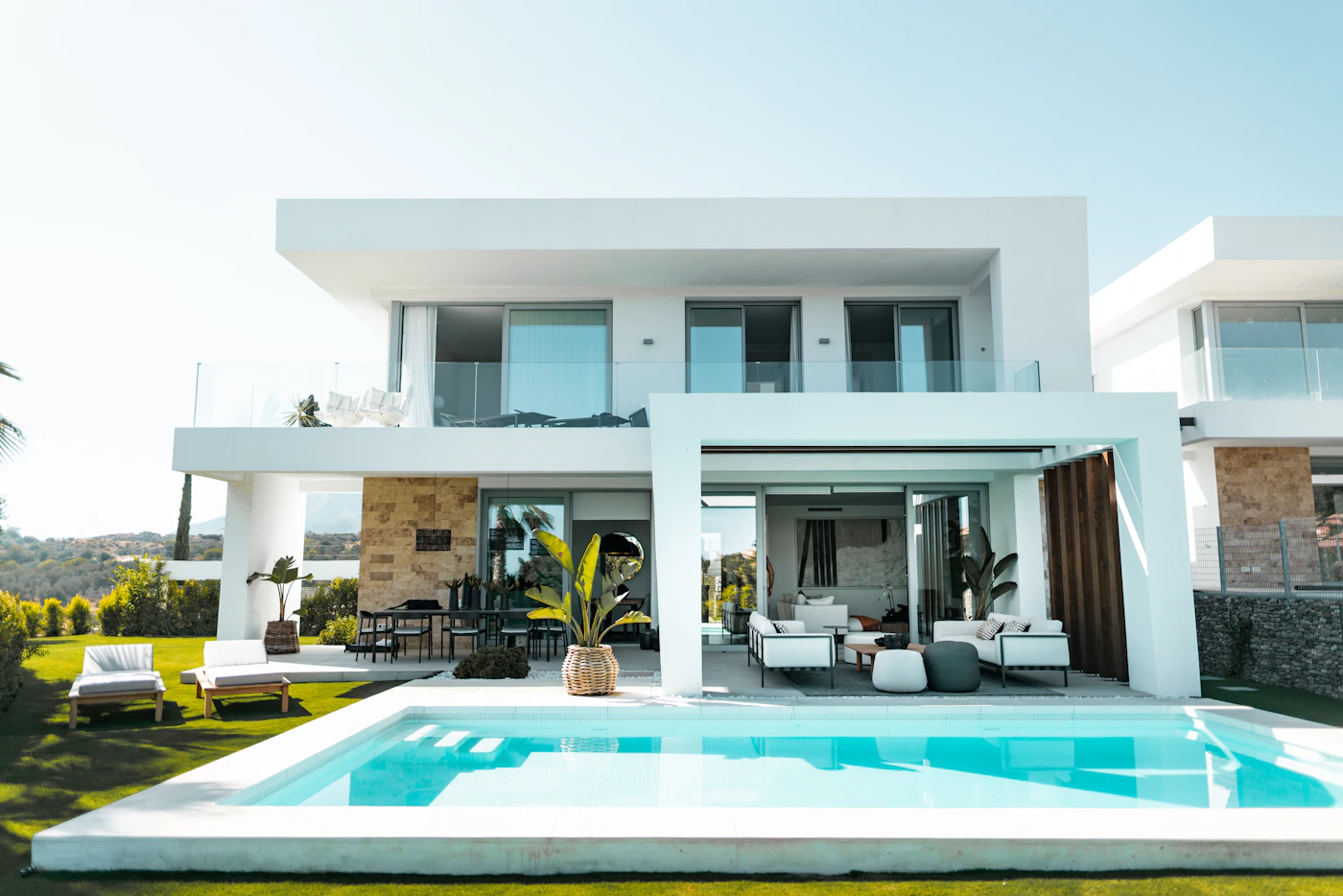
A second home gets its own policy, written for the state where it sits and handled together with a partner agency in that state. Underwriters want to know how many months a year you’re there, who checks on it, whether it’s furnished and whether you’ll rent it. The clauses that bite are the ones about an empty house: vandalism coverage that can end after a set stretch of vacancy, often 45 or 60 days; freeze damage when the heat wasn’t kept on or the water drained; and a short-term rental the insurer never heard about. Then the address adds its own layer: hurricane deductibles on the coast, wildfire mitigation in the West, flood maps everywhere. I line the second home up with your umbrella.
Its own policy, in its own state
A homeowners policy is built around one house. In the Safeco homeowners form on file with the Maine Bureau of Insurance, dwelling coverage applies to the house at the residence premises shown on the declarations page, so a second home gets its own policy. It can be with your primary home’s insurer or another one, but it is written for the state the house is in, so deductible rules and storm or wildfire requirements follow the house’s address, not yours. An out-of-state house is handled together with a partner agency in that state, and I pull the file together.
Underwriters ask how many months a year someone is there, whether it is furnished, who checks on it, whether there is a monitored alarm or water shutoff, and whether anyone will pay to stay. Tell me if any answer changes after the policy is issued; the clauses below are where it matters.
Vacant, unoccupied and the vacancy clock
Two words in the policy do most of the work, and they are not interchangeable. IRMI defines vacant as a building with little to no furniture or other personal property, and unoccupied as a building where people are absent, furnished or not. A furnished summer lake house is unoccupied the rest of the year, not vacant. IRMI notes that policies commonly limit coverage after a set period of vacancy, such as 45 or 60 days.
Here is how one insurer words it. The Safeco form on file in Maine excludes vandalism and malicious mischief, including fire caused by arson, and glass breakage if the dwelling has been vacant for more than 60 consecutive days immediately before the loss; a dwelling being built, remodeled or repaired is not considered vacant. Other insurers word it differently, so ask what the underwriter expects while you are away, and have someone check the house on a schedule. If the house will sit empty and unfurnished for long stretches, tell me up front; the vacant home insurance page explains the options.
Freeze, hurricane, wildfire: the clause follows the address
The address decides which clause to read first.
- Freeze. The same Safeco form excludes freeze damage to plumbing, heating, air conditioning and sprinkler systems and household appliances while the dwelling is vacant, unoccupied or under construction, unless you used reasonable care to maintain heat in the building, or to shut off the water supply and drain the system and appliances. For a mountain or northern house, keep the heat on and checked, or document a winterization, every year.
- Hurricane and named-storm deductibles. The NAIC lists nineteen states plus the District of Columbia with them: Alabama, Connecticut, Delaware, Florida, Georgia, Hawaii, Louisiana, Maine, Maryland, Massachusetts, Mississippi, New Jersey, New York, North Carolina, Pennsylvania, Rhode Island, South Carolina, Texas and Virginia. The deductible is separate from the regular one, can be a percentage of the home’s value or a fixed dollar amount, and can apply per event, per season or per calendar year. In Florida it applies from the time the National Hurricane Center issues a hurricane warning for any part of the state until 72 hours after the last hurricane watch or warning ends, on a calendar-year basis.
- Wildfire. California requires insurers to build its Safer from Wildfires framework into how they price a home: a Class A fire-rated roof, a 5-foot ember-resistant zone around the structure, noncombustible material in the bottom 6 inches of the walls, ember- and fire-resistant vents, and double-pane windows or shutters. Elsewhere, have the roof type and age and the clearance around the house ready for the underwriter.
Renting it out changes the form
The Safeco form carves out of its business exclusion the rental of an insured location “on an occasional basis for the exclusive use as a residence,” or in part to no more than two roomers or boarders. A 2016 NAIC white paper on home-sharing names the catch: “occasional” is generally not defined, homeowners and dwelling policies are generally not designed for accidents arising from short-term rental, and an insurer that decides the activity is more than occasional may drop the policy.
The same paper says ISO wrote homeowners endorsements that reinforce home-sharing exclusions for theft, vandalism, liability and personal injury, plus options that restore that coverage and add loss of rental income. The other route is a landlord policy, which the NAIC describes as covering the home, other structures, contents such as appliances and furniture, lost rental income from building damage, legal fees and liability claims. Tell me before the listing goes live; short-term rental insurance and the second-home page walk through the options.
Umbrella and flood
Two pieces that are easy to miss.
- Umbrella. IRMI describes a personal umbrella as liability coverage that stacks on top of your homeowners, auto, watercraft and other scheduled underlying policies. Scheduled is the key word: the second home’s policy should be listed on the umbrella. If the second home lands with a different insurer, send me both declarations pages so the umbrella gets updated.
- Flood. FEMA says most homeowners insurance does not cover flood damage. Look the address up on FEMA’s Flood Map Service Center, the official public source for flood hazard information under the National Flood Insurance Program. NFIP coverage is available to anyone living in a participating community, homes in high-risk flood areas with mortgages from government-backed lenders are required to carry it, and there is typically a 30-day waiting period before an NFIP policy takes effect. See flood insurance, and for a higher-value house, high-value home insurance by state.
Common questions
Can I add the second home to my existing homeowners policy?
Not for the house itself. In the filed homeowners form I cite, dwelling coverage applies to the house at the residence premises shown on the declarations, so a second house needs its own policy, written for its state. Same insurer or a different one, both policies should be listed on your umbrella.
What if the house sits empty all winter?
A furnished house with nobody in it is unoccupied, not vacant, and vacancy clauses such as the Safeco form’s vandalism and glass exclusion after more than 60 consecutive days turn on vacancy. The freeze clause is the bigger risk: in that same form, freeze losses while the house is unoccupied are excluded unless you used reasonable care to keep the heat on or to shut off and drain the water.
Will my second home have a hurricane deductible?
Depends on the state. The NAIC lists nineteen states and the District of Columbia with hurricane or named-storm deductibles, and the rules vary; in Florida the deductible applies from a National Hurricane Center hurricane warning until 72 hours after the last watch or warning ends, on a calendar-year basis.
I want to rent it a few weeks a year. Does that matter?
Yes. Homeowners forms often allow occasional rental as a residence, but the NAIC notes that occasional is generally not defined, and an insurer that decides your hosting is more than occasional may drop the policy. Tell me before you list it so we can look at a home-sharing endorsement, if the insurer offers one, or a landlord policy.
Do I need flood insurance on a second home?
Most homeowners insurance does not cover flood, so check the address on FEMA’s Flood Map Service Center. If the house is in a high-risk flood area and the mortgage is from a government-backed lender, flood insurance is required, and an NFIP policy typically has a 30-day waiting period.
Sources
- Safeco homeowners policy form HOM-7030/EP R2 1/09, hosted by the Maine Bureau of Insurance: dwelling coverage, vacancy, freezing and occasional-rental wording
- IRMI glossary: vacant vs. unoccupied
- IRMI glossary: personal umbrella policy
- NAIC consumer insight (June 2024): named storm and hurricane deductibles
- Florida Department of Financial Services: Florida’s hurricane deductible
- California Department of Insurance press release (Sept. 2023): Safer from Wildfires in insurer pricing
- NAIC white paper (2016): Insurance Implications of Home-Sharing
- FEMA: flood insurance (homeowners policies, NFIP, waiting period)
- FEMA Flood Map Service Center
General information about insuring a secondary residence as of October 2026, not legal or tax advice; your policy’s own wording and the rules of the state where the home sits control. Coverage depends on underwriting and the terms, conditions and exclusions of the policy actually issued.