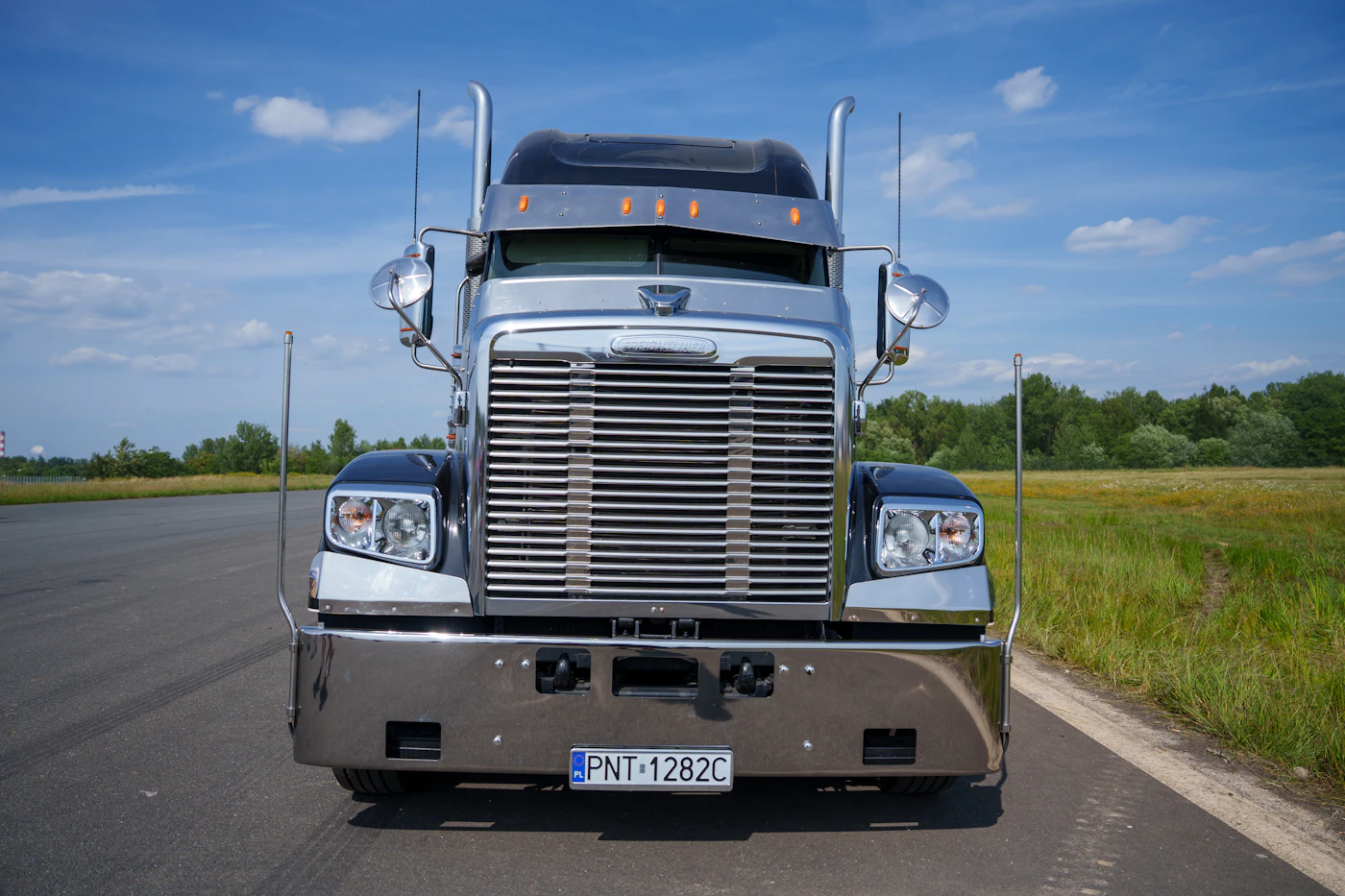
When you lease your truck to a carrier, federal rules give the carrier control of it and make the carrier responsible for the public liability insurance while the truck is in its service. That leaves your own time with the truck, like personal trips, uncovered unless you buy something for it. Non-trucking liability fills that gap. Bobtailing just means driving a tractor without a trailer, but courts and the federal leasing rule use “bobtail insurance” for this same off-duty coverage. Whether a claim is paid comes down to whether the truck was being used in anyone’s business at the time.
Why leased owner-operators need it
Federal leasing rules set what a lease between an owner-operator and an authorized carrier must say. The lease must give the carrier exclusive possession, control and use of the truck for the lease’s duration, and the carrier assumes complete responsibility for operating it. The lease must also state the carrier’s legal obligation to carry public liability insurance and say who provides any other insurance for operating the leased equipment, with bobtail insurance named as an example.
FMCSA’s guidance adds that a truck deadheading or bobtailing while in the service of a motor carrier is subject to the federal financial responsibility rules, so that time falls on the carrier to insure. Non-trucking or bobtail coverage is meant for the rest: when the truck isn’t in the carrier’s service.
What a non-trucking form excludes
The non-trucking endorsement at issue in a 2014 Illinois appellate case, titled “Truckers – Insurance for Non-Trucking Use,” excluded the truck while used to carry property in any business, and while used in the business of anyone it is rented to. The court treated the owner-operator’s lease to a carrier as a rental.
That second exclusion is the one that surprises people. The owner-operator had a dispatch sheet from his carrier and was driving to pick up an empty container when the crash happened. He wasn’t hauling anything, but the court held the truck was being used in the carrier’s business, so the non-trucking insurer had no duty to defend or pay.
The court described the policy’s purpose as covering the owner-operator using his truck for his own purposes, not while the carrier was using it, and pointed out that federal leasing rules require the carrier to have its own insurance for that time.
What “bobtail” means, and why the label isn’t enough
Bobtailing is operating a tractor without a trailer. Courts have described bobtail insurance as coverage for when a tractor is not being used in the business of an authorized carrier, which is the same job non-trucking liability does, and the Illinois court used the two names for the same policy.
Because the labels are loose, two policies sold under the same name can be worded differently. Before you rely on one, find three answers in the exclusions: does coverage stop whenever the truck is under dispatch, does it stop only when the truck is carrying property, and what happens to coverage if your lease ends.
Who pays in common situations
- Under dispatch, loaded or empty, including deadheading to a pickup: the carrier’s liability coverage, because the truck is in the carrier’s service.
- Driving home after the last delivery, or to the shop: the gray zone. Whether that use is the carrier’s business or yours can depend on the lease, the dispatch records and the facts, which is exactly where policy wording gets tested.
- Personal errands on a day off: non-trucking or bobtail coverage, if you carry it.
- Hauling for someone other than your lessee carrier: neither form is built for this. A non-trucking form excludes carrying property in any business, and running loads on your own takes your own primary liability.
What it won’t do, and what your lease must say
Non-trucking or bobtail coverage doesn’t replace primary liability. It excludes trucking use, so it can’t stand in for the liability a carrier files with FMCSA to run under its own authority, and some states won’t accept it as proof of insurance for registration. Texas, for example, says non-trucking and bobtail policies are not acceptable for apportioned (IRP) registration.
If your carrier provides this coverage and charges you for it, the lease must state the charge-back amount. If you buy coverage from or through the carrier, the lease must say the carrier will give you a copy of the policy on request and a certificate showing the insurer, policy number, dates, coverage, your cost and the deductibles you could owe. The lease also can’t require you to buy products or services from the carrier as a condition of signing. Trucking coverage for owner-operators and occupational accident vs. workers’ comp.
Common questions
Is bobtail insurance the same as non-trucking liability?
The names are often used for the same coverage. Any real difference is in the exclusions, so compare the policy wording rather than the name.
Does non-trucking liability cover me when I’m deadheading?
Generally not if you’re deadheading under dispatch for your carrier. A truck in a carrier’s service, even empty, falls under the carrier’s federal liability obligations, and a non-trucking exclusion for use in the lessee’s business removes it.
Do I need non-trucking liability if I have my own authority?
No. A carrier running under its own authority needs primary auto liability that covers trucking use and is filed with FMCSA. Non-trucking coverage is built for trucks leased to another carrier.
Does non-trucking liability cover damage to my truck?
No. It is liability coverage for injury or damage you cause to others. Damage to your own tractor needs physical damage coverage.
Who decides whether I need bobtail coverage?
Your lease. Federal rules require it to say who provides insurance beyond the carrier’s public liability coverage, such as bobtail insurance, and what you’ll be charged if the carrier provides it.
Sources
- 49 CFR Part 376 (eCFR): lease and interchange of vehicles
- FMCSA guidance on 49 CFR 387.3: deadheading and bobtailing
- Appellate Court of Illinois, 2014 IL App (1st) 130745 (non-trucking use endorsement)
- Texas Department of Motor Vehicles: International Registration Plan information packet
General information about non-trucking liability and bobtail coverage as of October 2026, not legal or tax advice; your lease and the policy’s own wording decide how coverage applies. Coverage depends on underwriting and the terms, conditions and exclusions of the policy actually issued.