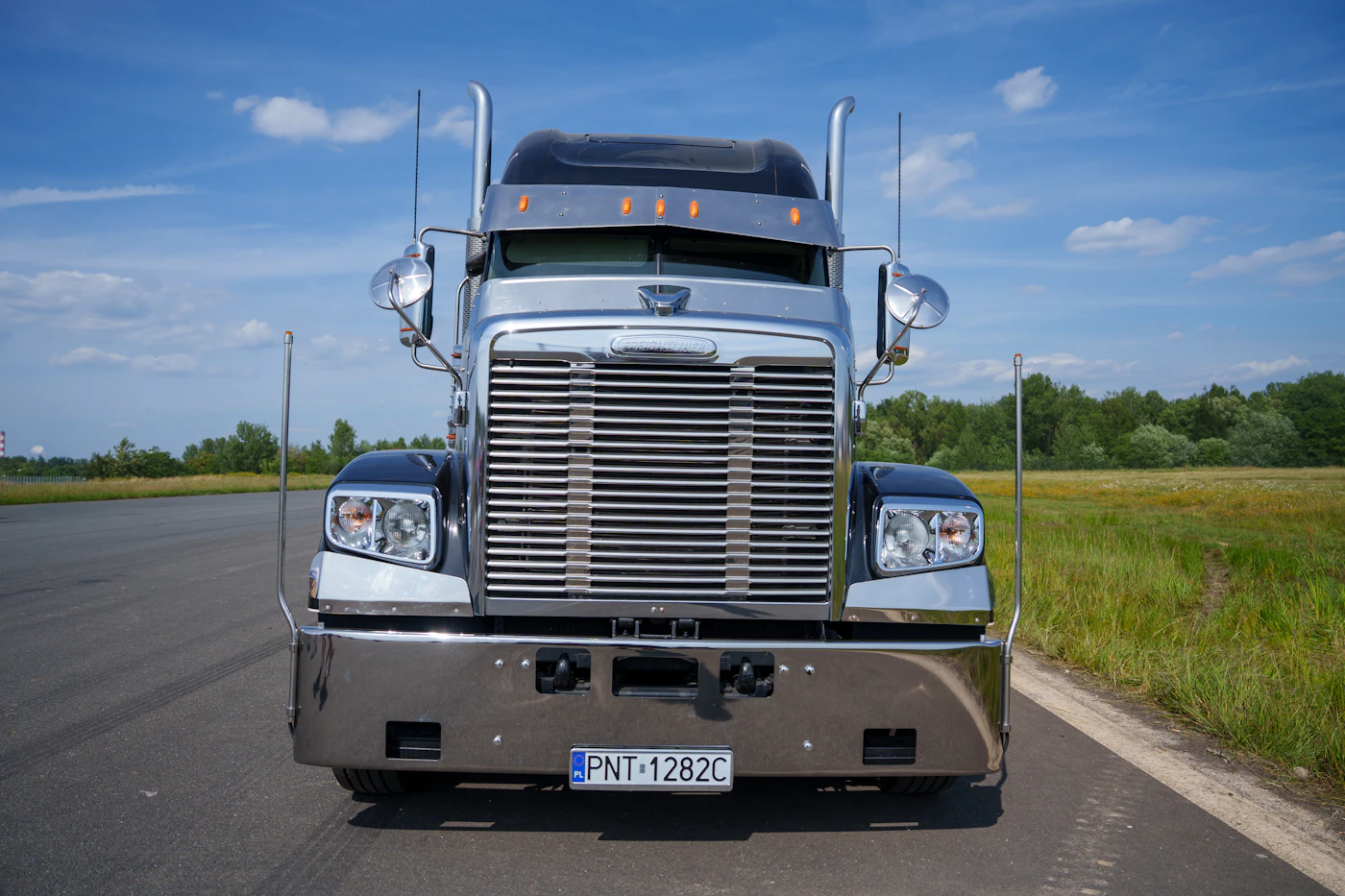
Liability pays for what your truck does to other people. Physical damage pays for the truck itself. If you roll the tractor, hit a deer, or hail dents the trailer, this is the coverage designed to respond, minus your deductible. Federal rules don’t require it, but if the truck is financed or you’re leased on to a carrier, the paperwork often decides for you. Two things catch owners off guard: the policy pays what the truck is worth at the time of loss, not what you owe on it, and trailers you don’t own need coverage of their own. When I quote it, I ask for each unit’s year, make, VIN and value, and who holds the lien.
What it covers
On a business auto policy (ISO form CA 00 01) or a motor carrier policy (ISO form CA 00 20), physical damage is its own section, separate from liability. In the 2013 editions cited below, it’s Section III of the business auto form and Section IV of the motor carrier form. It pays for loss to a covered auto or its equipment under three choices, and different trucks can carry different ones:
- Collision: the truck’s collision with another object, or its overturn.
- Comprehensive: any cause except collision or overturn. If you carry comprehensive on the truck, glass breakage, hitting a bird or animal, and falling objects or missiles are paid under it.
- Specified causes of loss: a narrower named list in place of comprehensive: fire, lightning or explosion; theft; windstorm, hail or earthquake; flood; mischief or vandalism; and the sinking, burning, collision or derailment of a conveyance carrying the truck.
Both forms exclude loss due and confined to wear and tear, freezing, mechanical or electrical breakdown, and blowouts, punctures or other road damage to tires, unless it results from the total theft of the truck. Lost resale value after repairs (diminution in value) is excluded too.
How the truck is valued
The standard forms pay the lesser of the actual cash value of the damaged or stolen property at the time of loss, or the cost of repairing or replacing it with property of like kind and quality. On a total loss, actual cash value is adjusted for depreciation and physical condition. If a repair leaves the truck better than before, the betterment isn’t paid. Payment includes the applicable sales tax.
So what the truck is worth on the day of the loss matters more than what you paid or what you still owe. Added electronics are capped too: all equipment that reproduces, receives or transmits audio, visual or data signals is limited to $1,000 in any one loss when it’s installed in a spot the manufacturer doesn’t normally use for that equipment. If a quote shows a stated or scheduled dollar amount for a unit, ask how that number works on a total loss before you rely on it.
Deductibles
The deductible applies to each covered truck, and the insurer’s payment is reduced by the applicable deductible shown in the declarations. Collision and comprehensive can carry different deductibles, and under the standard forms a comprehensive deductible doesn’t apply to loss caused by fire or lightning. Pick a number you could pay out of pocket the same week a truck is down.
Who requires it, and who doesn’t
FMCSA doesn’t. Its financial responsibility rules in 49 CFR Part 387, Subpart A, require minimum levels of financial responsibility covering public liability, defined as liability for bodily injury or property damage, including environmental restoration. Damage to your own truck isn’t part of that requirement. What the authority filings involve.
Your lender is a different story. If the truck is financed, you usually have to insure it, and if you don’t, the lender may buy coverage and charge you for it. The lender goes on the policy as a loss payee, which lets the insurer pay the lender, or you and the lender jointly, as the lender’s interest may appear.
If you’re an owner-operator leased on to a carrier, federal leasing rules (49 CFR 376.12) require the lease to state the carrier’s obligation to maintain insurance for the protection of the public, who is responsible for any other insurance for the operation of the leased equipment, and any amount the carrier will charge back to you for it. Read that section before you assume your tractor is insured against damage. Leased vs. own-authority coverage.
Trailers you don’t own
Physical damage applies only to the autos your declarations make covered autos. A trailer you pull under an interchange agreement with its owner isn’t one of your owned units, so it needs coverage of its own. The motor carrier form offers Trailer Interchange Coverage (Section III) for trailers you don’t own while in your possession under a written trailer or equipment interchange agreement in which you assume liability for loss. It pays the sums you legally must pay as damages for that loss under the same three choices, and the insurer has the right and duty to defend you against a suit for those damages. It pays the least of actual cash value, repair cost or the limit in your declarations, and it excludes loss of use.
Equipment you lease, hire, rent or borrow without a driver can instead go under hired auto physical damage, which treats it as a covered auto you own. That coverage also pays loss-of-use charges you owe under a written rental contract, up to $20 a day and $600 total. Going the other way, the motor carrier form excludes your own trailer while it’s in someone else’s possession under a written interchange agreement, unless your declarations use the symbol that lifts that exclusion. How trailer interchange insurance works.
Towing, rental and downtime
The towing and temporary transportation provisions built into these forms apply only to private passenger type vehicles, so don’t assume they reach a tractor or straight truck. Rental reimbursement is an optional endorsement (ISO CA 99 23) that pays toward renting an auto after covered damage to a covered auto, with no deductible. Ask what towing, rental and downtime options an insurer offers on your units before you need one. The full trucking program and cargo coverage sit alongside it.
Common questions
Is physical damage insurance required for trucks?
Not by FMCSA, whose financial responsibility minimums in 49 CFR 387.9 cover public liability. A lender, equipment lessor or the carrier you’re leased to may require it in your contract.
What’s the difference between comprehensive and specified causes of loss?
Comprehensive covers any cause other than collision or overturn, subject to the policy’s exclusions. Specified causes of loss covers only a named list: fire, lightning, explosion, theft, windstorm, hail, earthquake, flood, mischief, vandalism, and the sinking, burning, collision or derailment of a conveyance carrying the truck.
Does it cover a trailer I’m pulling for someone else?
Not as one of your owned units. A trailer you don’t own needs trailer interchange coverage, if you hold it under a written interchange agreement and assume liability for loss, or hired auto physical damage, if you lease, hire, rent or borrow it without a driver.
Will the policy pay off my truck loan after a total loss?
Not necessarily. The standard forms pay the lesser of actual cash value, adjusted for depreciation and condition, or the repair cost, minus your deductible, and that can be less than what you owe.
Does it cover a blown engine or worn tires?
Not when the damage is due and confined to wear and tear, freezing, mechanical or electrical breakdown, or blowouts, punctures or other road damage to tires. That exclusion doesn’t apply when the loss results from the total theft of the truck.
Sources
- ISO CA 00 01 10 13 Business Auto Coverage Form (© ISO 2011; copy published by Sonoma County, CA)
- ISO CA 00 20 10 13 Motor Carrier Coverage Form (© ISO 2011; National General public form library)
- 49 CFR Part 387, Subpart A (eCFR, current through Sept. 30, 2026): 387.5 definitions, 387.7 and 387.9 minimum levels of financial responsibility
- 49 CFR 376.12(j) (eCFR, current through Sept. 30, 2026): lease requirements for insurance
- IRMI glossary: loss payable clause
- IRMI glossary: rental reimbursement coverage endorsement (CA 99 23)
- California Department of Insurance, Automobile Insurance consumer guide (personal auto; PDF dated May 12, 2021): 'If you have a car loan'
General information about truck physical damage coverage as of October 2026, not legal advice; your policy forms, endorsements and declarations control, and insurers’ forms and options vary. Coverage depends on underwriting and the terms, conditions and exclusions of the policy actually issued.