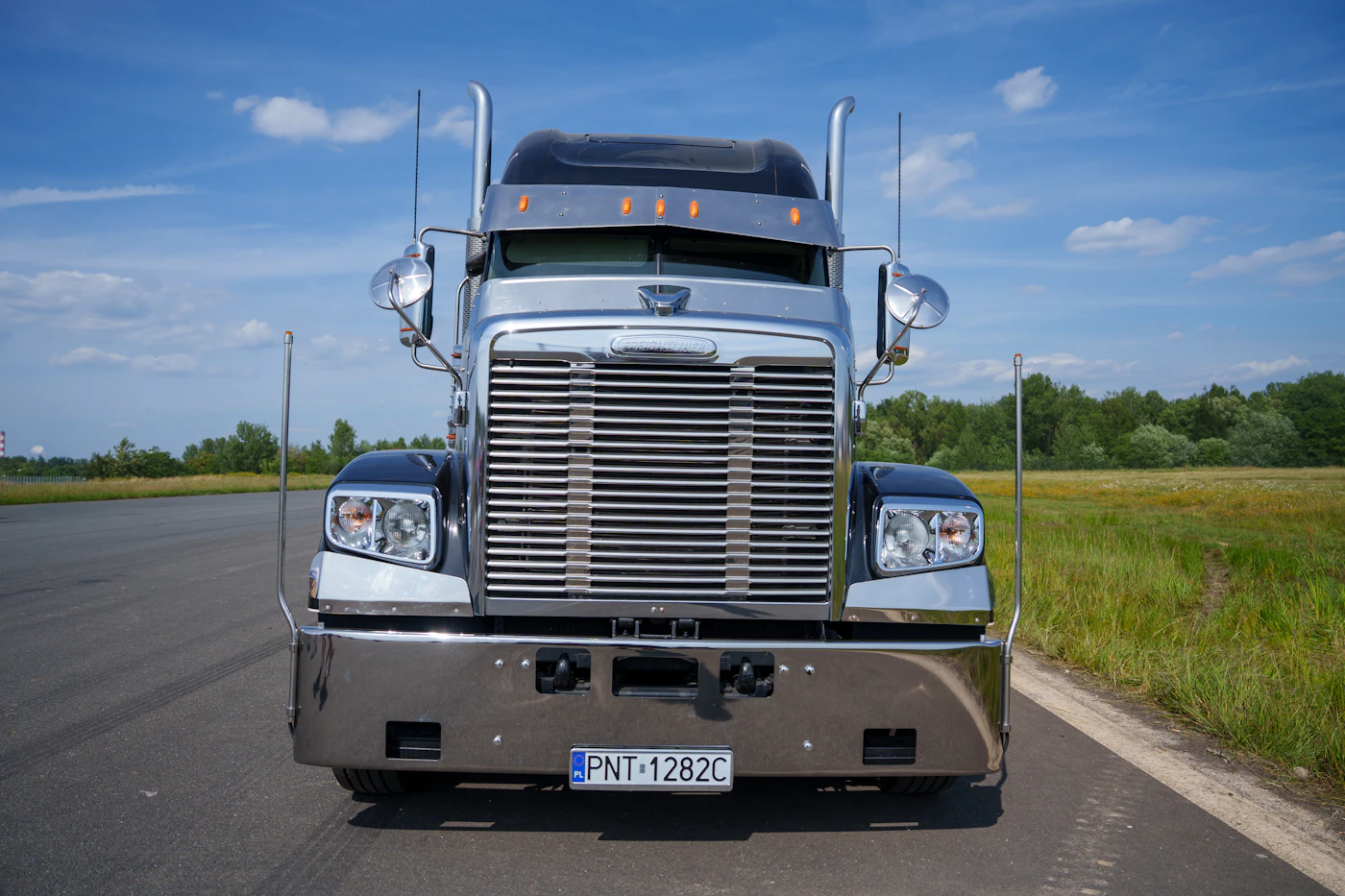
Most standard commercial auto carriers either don’t write tow trucks or write only a narrow slice of towing, because a tow policy is more than auto liability: it needs on-hook coverage for the car you’re towing, garagekeepers for the cars in your yard, and physical damage on expensive equipment. Tow operators are usually placed through specialty and surplus lines markets, often reached through a wholesale broker. What decides whether a market says yes is mostly your drivers, your equipment, the kind of tows you run and what you store. I can’t promise any market will take a particular operation, but I can put yours in front of the ones that write towing.
Why tow operators get declined
A decline is usually about fit, not about you. The most common reasons I see:
- The company doesn’t write towing at all. Many commercial auto carriers exclude tow trucks as a class, and a captive agent who can only sell one company’s policies has nowhere else to send you.
- Driver records. Recent violations, accidents or limited experience in a wrecker or rollback narrow the field quickly.
- No history. A new towing company has no loss runs, and some markets only write operators with a few years behind them.
- The type of work. Private property impounds, repossession and heavy recovery are often restricted or written by fewer markets than motor club and roadside work.
- The storage lot. Holding customer vehicles adds garagekeepers exposure, and lot security, fencing and capacity all get looked at.
- Past losses or a cancellation. These don’t end the search, but they change which markets are realistic and what they ask for.
The kinds of markets that write towing
- Admitted carriersInsurers licensed by California. Some write towing through specialty divisions or programs, usually with tight rules on drivers, equipment and the kind of tows you run.
- Surplus lines carriersNon-admitted insurers that can write risks admitted carriers decline, with more flexibility on forms and pricing. They are placed through licensed surplus lines brokers and are not members of the California Insurance Guarantee Association.
- Managing general agents and programsSpecialists that underwrite a class like towing on behalf of one or more insurers, with their own applications and guidelines.
- Wholesale brokersFirms that independent agents like me submit to when a risk needs a specialty or surplus lines market. A wholesale broker isn’t an insurance company; it reaches many of them.
Most tow placements I work on go through the bottom two rows. That is normal for this class and is how a large share of commercial trucking and towing is written.
Markets I’m appointed with that see tow submissions
For example, among the markets I’m appointed with:
- Smart Choice’s trucking desk, a wholesale channel that takes tow truck submissions along with other trucking. It asks for two years of loss runs valued within the last 30 days and a three-year MVR for each driver, ordered within 30 days.
- Bass Underwriters, a commercial wholesale broker that reaches many carriers, and one I send towing submissions to.
- Amwins, a wholesale broker; I have sent tow operator submissions to my Amwins broker for brokered placement.
- RT Specialty’s RT Connector, a single online application for surplus lines small commercial lines, truckers included.
Naming a market here isn’t a statement that it will quote your operation. Appetite changes, and each underwriter decides on the submission in front of them. The full list is on my insurance companies page.
What tow underwriters look at
- DriversYears of experience, ideally in the type of truck they’ll drive, and clean motor vehicle records. Many markets review every driver before adding them.
- EquipmentWreckers, rollbacks, wheel-lifts or heavy-duty units, with year, value and who owns or finances them.
- The workMotor club, police rotation, private property impounds, repossession, accident scenes and long-distance transport are each underwritten differently.
- RadiusLocal roadside work and long hauls across the state are different risks.
- StorageHow many vehicles you hold, for how long, and how the lot is fenced, lit and secured.
- ContractsThe limits and coverages your motor clubs, cities and property clients require.
- HistoryYears in business, loss runs, prior insurers and any cancellations.
What a tow policy is built from
- Auto liabilityInjuries and damage your trucks cause to others.
- On-hookDamage to a customer’s vehicle while it is on your hook or deck. Usually a separate coverage, not part of auto liability.
- GaragekeepersCustomers’ vehicles while they sit in your yard or impound lot. What garagekeepers covers and the three forms it comes in.
- Physical damageRepairs to your own trucks, often required by the lender.
- Garage or general liabilityInjuries and damage at your premises and from operations that aren’t driving. More on garage liability.
- Workers’ compRequired in California once you have employees.
A quote that leaves out on-hook or garagekeepers can look cheaper and still fail the contract you need it for. How I put tow coverage together.
What to send so a market takes it seriously
- Trucks: year, make, VIN, type and value of each unit.
- Drivers: names, license numbers, dates of birth and years of towing experience.
- Operations: the mix of motor club, rotation, impound, repo and private work, and your radius.
- Storage: lot address, how many vehicles you hold and how it’s secured.
- Contracts: the insurance requirements from motor clubs, cities or property clients.
- History: current declarations page and loss runs, if you have them.
A complete submission gets a real answer from an underwriter. A partial one tends to get a quick no.
Common questions
Who insures tow trucks in California?
Mostly specialty markets: admitted carriers with a towing program, surplus lines carriers, and managing general agents, usually reached through wholesale brokers. Many standard commercial auto carriers don’t write tow trucks at all.
Why won’t my regular commercial auto insurer cover my tow truck?
Towing carries exposures ordinary commercial auto isn’t built for, including the customer’s vehicle on the hook and cars held in storage. Many carriers exclude tow trucks as a class, so a decline usually reflects that company’s appetite.
Can a new towing company get insurance?
Often, yes, though fewer markets write operators without history. Underwriters lean on driver experience and motor vehicle records, the equipment and the kind of tows you plan to run.
Is surplus lines insurance for a tow truck legitimate?
Yes. Surplus lines carriers are placed through licensed surplus lines brokers and write many risks admitted carriers decline. They are not members of the California Insurance Guarantee Association, which is disclosed before you buy.
Does tow truck liability cover the car I’m towing?
Generally not. Damage to a customer’s vehicle while it’s on your hook is usually covered by on-hook coverage, and vehicles in your lot by garagekeepers. Both are separate from auto liability.
General information about insuring towing operations in California as of October 2026, not legal advice. Market appetite changes often, and naming a market here is not a statement that it will quote or accept any particular operation. Coverage depends on underwriting and the terms, conditions and exclusions of the policy actually issued.