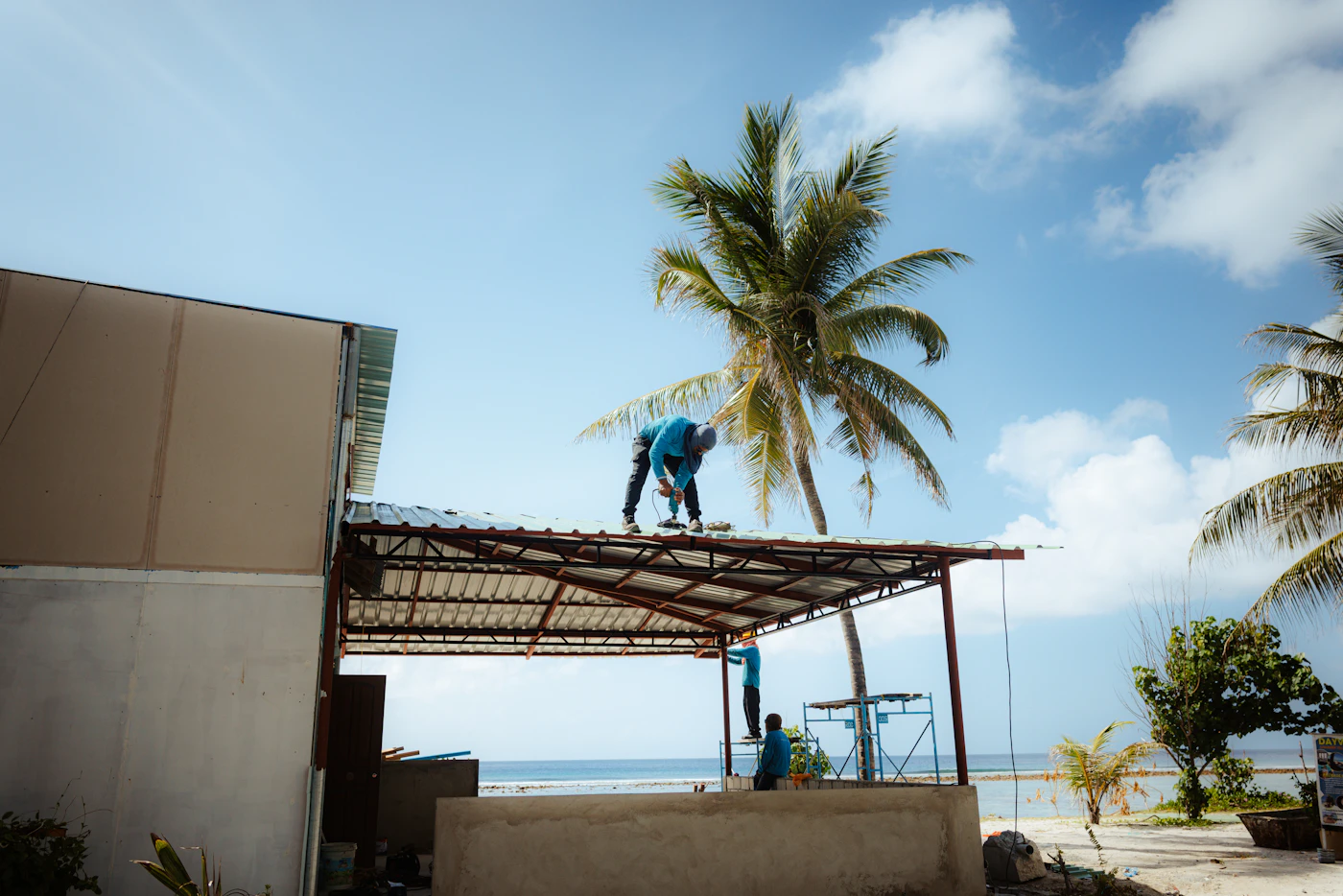
Two decisions shape the policy. First, scheduled versus blanket: high-value items are listed individually with their own limits, while hand tools and small power tools sit under a blanket limit with a per-item cap. Second, how theft from a vehicle is handled, because that is where most contractor equipment losses happen and where the restrictions live. Add rented and leased equipment if you ever pick up a machine for the week, and check whether the policy pays replacement cost or depreciated value.
What kind of policy covers tools and equipment?
Inland marine. The name is an accident of history — it started with cargo — but the modern use is coverage for property that moves, which is exactly what contractor equipment does. A contractor’s equipment floater follows the property rather than a building, so it responds at the job site, in the truck, in transit and in storage.
What it is not:
- Not general liability. Liability pays for damage you cause to other people and their property. Your own tools are your property.
- Not commercial auto. A commercial auto policy covers the vehicle, not the $9,000 of equipment in the bed of it.
- Not your homeowners policy. Business property is severely limited on a homeowners form, and business use away from the home even more so.
- Not the general contractor’s builder’s risk. Builder’s risk covers the structure under construction and materials to be installed, not your tools.
Tools and equipment insurance.
Scheduled equipment vs a blanket small-tools limit
Almost every policy uses both, and knowing which is which prevents the common surprise at a claim.
- ScheduledIndividual items listed by description, serial number and value: the skid steer, the mini excavator, the trailer, the laser level, the concrete saw. Each carries its own limit. Add anything above the policy’s per-item threshold, and add it the day you buy it, not at renewal.
- Blanket small toolsOne limit for everything not scheduled, with a per-item cap inside it. The cap is the part people miss: a $20,000 blanket limit with a $1,500 per-item cap does not replace a $4,000 tool.
- Newly acquired equipmentMost policies extend automatic coverage to new purchases for a set number of days, up to a set amount, on condition you report them. Read the number of days.
- Employee toolsSometimes an optional sublimit. Tools your employees own are generally not your property and not covered without it.
Keep a current inventory with serial numbers and photographs. It decides the schedule, and after a theft it is the difference between a paid claim and an argument.
Are tools covered if they’re stolen from my truck?
This is the claim that actually happens, and the answer is “yes, if the policy is written for it.” Theft from a vehicle is where inland marine policies put their conditions, and they vary a great deal:
- Locked-vehicle requirements and, on some forms, visible signs of forced entry.
- Overnight restrictions, such as reduced coverage or none for equipment left in an unattended vehicle overnight, or a requirement that the vehicle be in a locked garage or fenced yard.
- Unattended-vehicle exclusions on some cheaper forms, which effectively gut the coverage for the way most contractors work.
- Higher theft deductibles than for other causes of loss.
- Job-site theft conditions, including requirements for fencing, lighting or locked containers on larger equipment.
Ask this question in plain words when you buy: “If my locked van is broken into overnight outside my house, what does this policy pay?” The answer should be in the form, not in the salesperson’s opinion. A police report is required on essentially every theft claim, so file one immediately.
What about rented, leased and borrowed equipment?
Rental yards make you responsible for the machine from the moment it leaves the lot, and the rental contract usually makes you liable for loss, damage and the rental income the yard loses while it is out of service. Two coverages address that: rented or leased equipment coverage, which pays for physical damage to the machine, and a loss-of-use extension for those rental charges.
Points worth getting right:
- Set the limit to the largest machine you would ever rent, not the one you rented last.
- Leased-to-own equipment usually needs to be scheduled, with the lessor named as loss payee.
- Equipment you borrow from another contractor is neither owned nor rented, and may need to be addressed specifically.
- The rental yard’s damage waiver is not insurance and is usually more expensive than carrying the coverage yourself.
Replacement cost, actual cash value and deductibles
Valuation is the least exciting part of the policy and the one that determines what you are handed after a loss. Actual cash value depreciates the item by age and condition, which on a five-year-old compressor is a meaningful haircut. Replacement cost pays what it costs to buy a comparable new item today, and is worth the difference on equipment you rely on.
Deductibles are usually per occurrence, so a single break-in that takes six tools is one deductible, while six separate losses are six. On a schedule of larger machines, a higher deductible on the big items and a lower one on the blanket limit often prices better than one number across the board.
Job sites, storage and what else the floater can pick up
Most equipment floaters can be extended to related exposures that contractors run into, and it is worth knowing they exist rather than discovering the gap:
- Installation floaterMaterials you have bought and are installing, from the yard to the point the work is accepted.
- Property in transitMaterials and equipment while being moved between sites.
- Contractors’ tools in a storage unit or yardSubject to the security conditions in the form.
- Rigging and liftingEquipment damaged while being hoisted, which some forms restrict.
- Debris removal and pollutant cleanupSmall sublimits that follow a covered loss.
Most contractors carry this alongside liability, workers’ comp and their bond, and it usually makes sense to place them together so the certificates and the audit line up. See how a contractor program fits together.
What underwriters ask
- Total value of owned equipment, split between scheduled items and small tools.
- A schedule with year, make, model, serial number and value for anything significant.
- The largest item you rent, and how often.
- Where equipment sleeps: locked van, enclosed trailer, fenced yard, job site, storage unit, home driveway.
- Security: GPS trackers, locking systems, alarms, cameras, lighting.
- Trades and job types, since theft frequency varies a lot by trade and by area.
- Losses in the last five years, with police reports.
Common questions
Does general liability cover my tools?
No. General liability covers injury and damage you cause to others. Your own tools and equipment are covered by an inland marine policy, also called a contractor’s equipment floater.
Are tools stolen from my truck covered?
They can be, but this is where the conditions live. Many policies require a locked vehicle and signs of forced entry, and some restrict or exclude equipment left in an unattended vehicle overnight. Ask how your form treats it before you buy.
What is the difference between scheduled and blanket coverage?
Scheduled items are listed individually with their own limits. Blanket coverage is one limit for unlisted small tools, with a per-item cap inside it — so a valuable tool left off the schedule may only collect up to that cap.
Does my policy cover equipment I rent from a yard?
Only with rented or leased equipment coverage, and the limit needs to match the largest machine you would rent. Rental contracts also make you liable for the yard’s lost rental income, which is a separate extension.
Should I take actual cash value or replacement cost?
Replacement cost pays what a comparable new item costs today; actual cash value depreciates it. On equipment you depend on to work, the difference after a loss is usually much larger than the premium difference.
Do I need to list every tool?
No. List anything above the policy’s per-item threshold and let the blanket limit handle the rest — but keep an inventory with serial numbers and photos, because that is what supports the claim.
General information about contractor equipment insurance in California as of September 2026, not legal advice. Theft conditions, sublimits and valuation terms differ by form; read the one you are offered. Coverage depends on underwriting and the terms, conditions and exclusions of the policy actually issued.