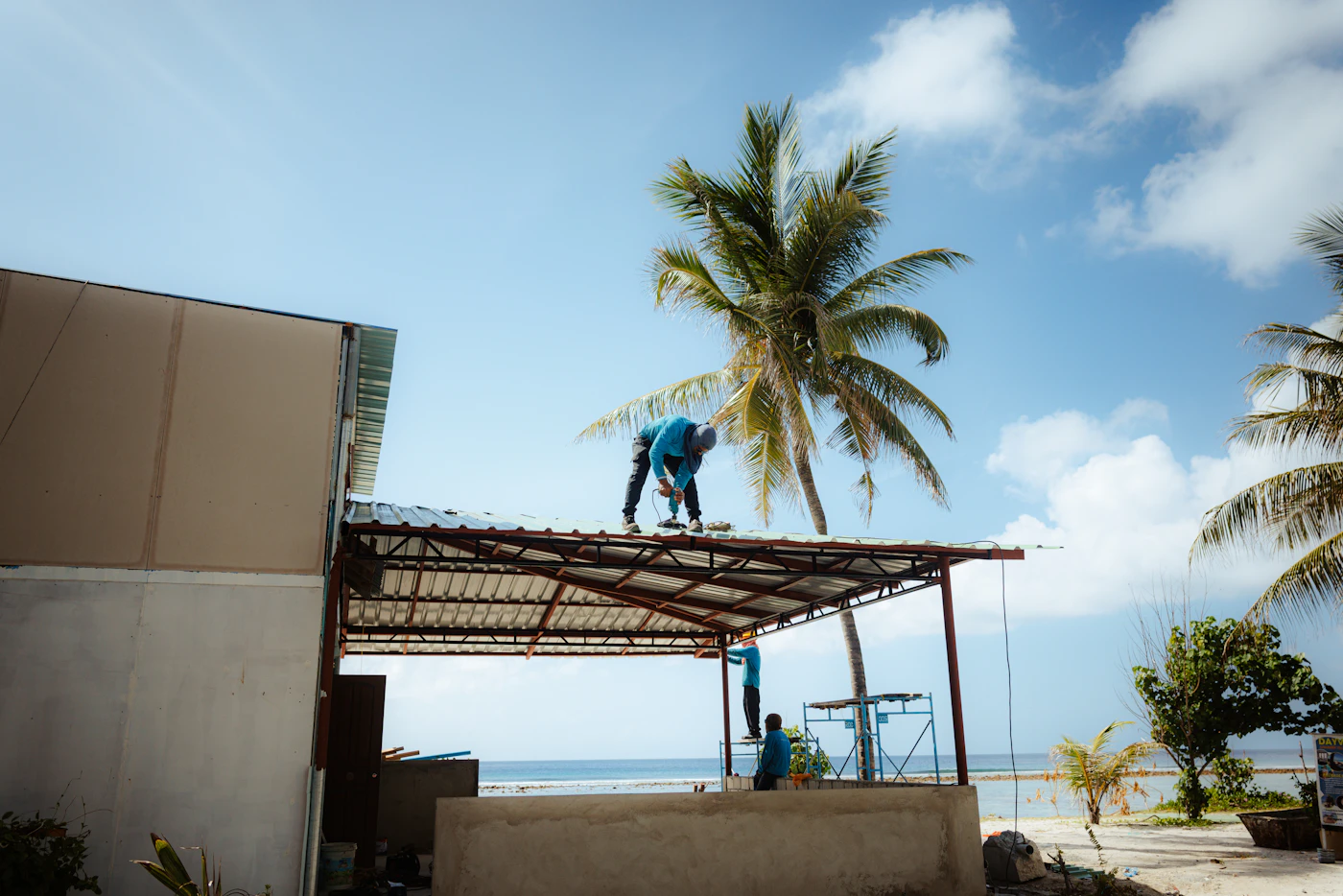
If you’ve been declined, you’ve probably been talking to markets built for lower-hazard trades. Roofers and other high-risk contractors are usually written in the surplus lines market for general liability, with workers’ comp placed separately. What decides it is the kind of roofing you do: residential or commercial, new construction or re-roof, heights, hot work, how you use subcontractors and your loss history. In California, C-39 roofers must carry workers’ comp whether or not they have employees, and beginning January 1, 2028, all licensed contractors must.
Why roofers and some trades get declined
- Injury severity. Falls from roofs are among the most serious injuries in construction, which drives both comp and liability pricing.
- Property damage. A roof that leaks, or a fire from torch-applied or hot work, can damage an entire building and everything in it.
- Long-tail claims. Claims over completed work can arrive years after the job, and new residential construction is often restricted for that reason.
- Subcontracting. Uninsured subs can turn into your claims and your payroll at audit.
- The workers’ comp requirement. A roofer needs comp, and some comp markets restrict roofing payroll.
- The agent’s markets. Many small business programs list roofing as an ineligible class, so an agent without specialty access simply has nowhere to send it.
The kinds of markets that write high-risk trades
- Admitted carriersInsurers licensed by California. Some write roofing and other hazardous trades, usually with limits on the work mix, heights or hot work.
- Surplus lines carriersNon-admitted insurers that write a large share of roofing and high-hazard contractor liability. They are placed through licensed surplus lines brokers and are not members of the California Insurance Guarantee Association.
- Managing general agents and programsSpecialists that underwrite contractor classes on behalf of one or more insurers, often with their own application for each trade.
- Wholesale brokersFirms that independent agents submit to for specialty and surplus lines access. A wholesale broker isn’t an insurance company; it reaches many of them.
Surplus lines contractor policies often carry exclusions you won’t find on an admitted form: injury to employees of contractors or subcontractors, residential or tract work, work above a set height, or hot work. Read them before you sign a contract that assumes otherwise. Why your subs need their own coverage.
Markets I’m appointed with that write contractors
For example, among the markets I’m appointed with:
- BTIS, which writes contractor general liability.
- RLI Contrac Pac, a contractor package.
- MGT, which writes business owner’s policies for contractors among other classes.
- Pathpoint and Blitz, which write surplus lines small commercial.
- Futuristic Underwriters, which writes non-admitted property and casualty and admitted workers’ comp, with classes that include contractors.
- DOXA, a program market whose classes include restoration, pool and welding contractors.
- Throughline, which writes contractors’ equipment, and RLI Surety for bonds.
- Bass Underwriters, Amwins and RPS, wholesale brokers that reach many surplus lines carriers. RPS, for example, needs signed applications and the surplus lines paperwork before it binds.
Roofing in particular is a class several of these don’t write, and which ones will look at a given roofer depends on the work. I check appetite before I submit rather than sending your file everywhere. Naming a market isn’t a statement that it will write you; the full list is on my insurance companies page.
Workers’ comp: the C-39 rule and 2028
California requires workers’ comp once you have employees. A C-39 roofing license goes further: roofers must carry workers’ comp whether or not they have employees, and there is no exemption to file instead. If coverage lapses, the license is at risk.
For everyone else, SB 216, as postponed by SB 1455, extends the requirement to all licensed contractors beginning January 1, 2028. If you run on an exemption today, plan for a policy before your first renewal after that date. The 2028 workers’ comp guide covers the timing, and the 2028 workers’ comp check tells you whether the rule reaches your license now or later.
Comp markets I’m appointed with include weSure and Futuristic Underwriters, and I can quote State Fund through Amwins Access. Whether a given comp market will take roofing payroll is an underwriting question I ask on each file. Workers’ comp insurance.
What contractor underwriters look at
- Work mixResidential or commercial, re-roof or new construction, repair or full replacement, by share of revenue.
- Heights and storiesMany markets limit the number of stories or the height you work at.
- Roofing methodsShingle, tile, metal, foam and single-ply are different risks, and torch-applied or hot work narrows the field.
- SubcontractorsHow much work you sub out, and whether you collect certificates and additional insured endorsements first.
- ExperienceYears licensed and years in the trade.
- Payroll and receiptsThe figures the premium is based on, and what auditors will check later.
- Loss historyFive years of loss runs if you have prior coverage.
Other trades that get the same treatment
Roofing is the most familiar example, but the same pattern applies to other trades where injuries or property damage tend to be severe. Many of these are placed in the same specialty markets:
- Tree service
- Excavation and grading
- Solar installers
- Concrete
- Restoration, pool and welding contractors
Work that disturbs mold, asbestos or soil may also need pollution liability, which general liability usually excludes.
What to send
- Your license: number and classifications.
- The work: roofing types and methods, residential and commercial split, and the tallest building you work on.
- The numbers: annual receipts, payroll by role and what you pay subcontractors.
- Contracts: the insurance section of the contracts you sign, especially from general contractors.
- History: current declarations pages and five years of loss runs.
How I put roofing coverage together.
Common questions
Who insures roofers in California?
Mostly surplus lines carriers, specialty programs and some admitted carriers with a roofing appetite, usually reached through wholesale brokers. Many small business insurers list roofing as an ineligible class.
Why do insurance companies decline roofers?
Falls cause serious injuries, roof leaks and hot work can damage whole buildings, and claims over completed work can arrive years later. Many carriers avoid the class, so a decline usually reflects that company’s appetite.
Do roofers need workers’ comp with no employees in California?
Yes. C-39 roofers must carry workers’ comp whether or not they have employees. Beginning January 1, 2028, all licensed contractors must carry it.
Will a general contractor accept a surplus lines policy?
Often, but not always. Some contracts require a minimum insurer rating or specific endorsements, and some surplus lines forms carry exclusions a contract doesn’t allow. Send me the contract before you sign it.
What exclusions should a roofer look for?
Common ones on contractor policies include injury to employees of contractors or subcontractors, residential or tract work, work above a set height, and hot or torch-applied work. The policy wording controls.
General information about insuring roofers and high-risk contractors in California as of October 2026, not legal advice. Market appetite changes often, and naming a market here is not a statement that it will quote or accept any particular contractor. Coverage depends on underwriting and the terms, conditions and exclusions of the policy actually issued.