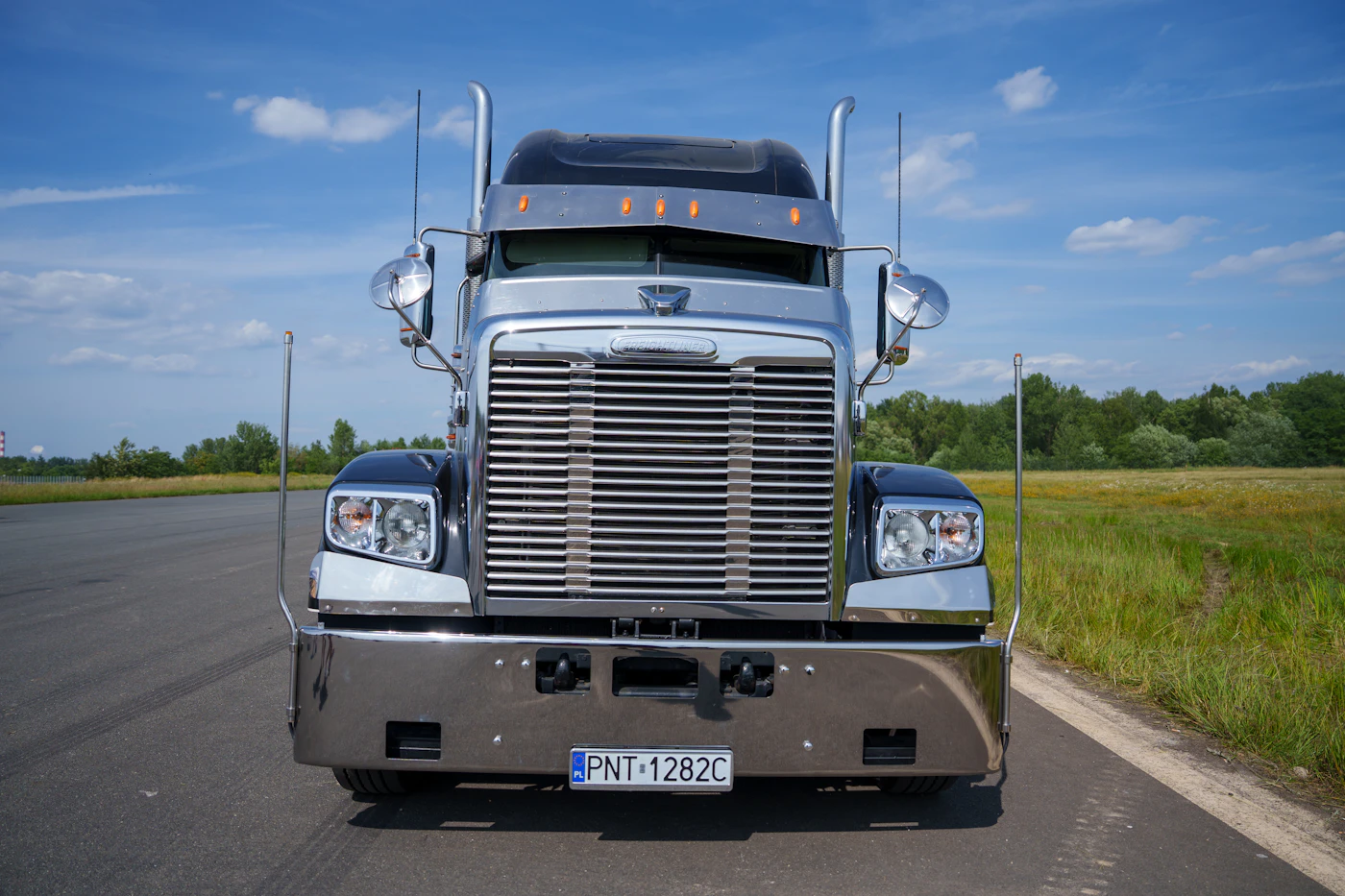
Port Houston handled a record 4,303,345 TEUs in 2025. TxDMV sells an annual permit for sealed international containers at up to 100,000 pounds on seven axles within 30 miles of Barbours Cut and other Gulf ports, off the interstates. Federal and Texas hazmat limits run to $1 million or $5 million, the city routes hazmat onto the 610 Loop, and ATRI ranks I-45 at I-69/US 59 the fourth worst truck bottleneck in the country.
Heavy containers: the port permit and what it asks of you
Port Houston reported 4,303,345 TEUs for 2025, up 4 percent, and finished Wharf 7 at Bayport, adding 1,000 feet of berth. A lot of those boxes leave by truck. TxDMV’s Intermodal Shipping Container Port Permit lets a fleet run them heavier than normal legal weights near the coast:
- WeightsUp to 93,000 pounds gross on six axles or 100,000 pounds on seven, with set axle weights and spacings.
- WhereWithin 30 miles of the listed ports, which include Port of Houston Barbours Cut and IH610, plus Bayport and Freeport. Interstate highways and load-posted roads and bridges are off limits, and routing is your responsibility.
- WhatOnly an enclosed international shipping container, sealed from origin to destination. Hazardous materials aren’t covered.
- WhoThe truck needs roll stability and blind spot systems. The permit is self-issued in TxPROS to the company named on your USDOT number, after TxDMV checks FMCSA records for out-of-service orders.
For insurance, that means heavier loaded weights on surface streets and more braking distance, which underwriters will ask about. I list permitted units separately on the schedule and match the declared radius to the 30-mile zone.
Chassis, containers and interchange
- Trailer interchange. A chassis or container you pull under an interchange agreement isn’t your equipment, and your physical damage policy usually won’t cover it. Trailer interchange coverage pays for damage to it while in your care, at the limit the agreement sets (trailer interchange).
- Who signs the agreement. Equipment providers and motor carriers often require the carrier to name them on certificates and to carry specific limits. I match the certificate to the agreement your drivers actually pull under.
- Financed tractors. A lender will require physical damage with the lender as loss payee. In a flood-prone city, check that comprehensive covers flood and that units have a plan to move to high ground before a storm (physical damage for trucks).
Hazmat limits and routes
49 CFR 387.9 sets $1,000,000 for oil and most hazardous materials and $5,000,000 for certain bulk hazardous materials, and the higher tiers reach private carriers and, in bulk, intrastate trips too. TxDMV uses the same $1,000,000 and $5,000,000 tiers for intrastate hazmat. The Houston Police Department says the city designates the 610 Loop as its hazmat route, that placarded loads must use it rather than cut through the city, and that the Pierce Elevated and the Highway 59 overpass are restricted.
- Match the limit to the worst load. One bulk run of a higher-tier material sets the minimum for the trucks that haul it, so the schedule should show which units carry which classes.
- Pollution. A spill on the Loop is cleanup as well as liability. Check that the auto policy carries a broadened pollution endorsement or that a separate transportation pollution policy sits beside it.
- Plant contracts. Chemical shippers write their own limits, additional-insured and waiver wording into carrier agreements, usually above the legal floor.
Bottlenecks and the umbrella above them
Eight of the 12 Texas locations on ATRI’s 2026 truck bottleneck list are in Houston, including I-45 at I-69/US 59 at fourth, I-10 at I-69/US 59 at eighth and I-45 at the North Loop at 13th. Stop-and-go traffic with heavy loads is where rear-end claims come from, and large jury verdicts against trucking companies are a main reason umbrella and excess layers cost what they do. Forward collision warning, cameras and a following-distance policy are what I put in front of the excess markets. Texas’s rules for trying trucking cases are on the Dallas fleet page, and comp for owner-operators at the port is on the Houston workers’ comp page.
What to send me
- USDOT, MC and TxDMV numbers, and any TxPROS port permits.
- A unit schedule showing permitted units, hazmat units, values and lienholders.
- Interchange agreements and the chassis and container providers you pull for.
- Hazmat classes hauled, in bulk or not, and your shipper contracts.
- The driver roster with license class, endorsements, hire dates and MVRs.
- Five years of loss runs.
Call or text (877) 711-4545.
Common questions
Do you have an office in Houston?
No. Alishahi Insurance has one office, in Beverly Hills, California. I am licensed in Texas and work with Houston fleets by phone, text and online.
Can I haul overweight containers from Port Houston?
With TxDMV’s annual intermodal container port permit, sealed international containers can run up to 93,000 pounds on six axles or 100,000 on seven, within 30 miles of the listed ports and off the interstates. Hazmat isn’t covered by it.
Does my physical damage policy cover a chassis I pull from the port?
Usually not, since it isn’t your equipment. Trailer interchange coverage handles damage to non-owned trailers and chassis under a written interchange agreement.
How much insurance do I need to haul hazmat in Houston?
Federal and TxDMV minimums are $1,000,000 for oil and most hazardous materials and $5,000,000 for certain bulk materials. Chemical shippers often require more.
Can hazmat trucks drive through downtown Houston?
The Houston Police Department says placarded loads must use the 610 Loop rather than travel through the city, and lists the Pierce Elevated and Highway 59 overpass as restricted.
General information about insuring trucking fleets in Houston as of November 2026, not legal advice. FMCSA, TxDMV, Port Houston and City of Houston rules change; confirm current permit terms in TxPROS, hazmat routes with the city and TxDOT, and contract wording with counsel. Coverage depends on underwriting and the terms, conditions and exclusions of the policy actually issued.