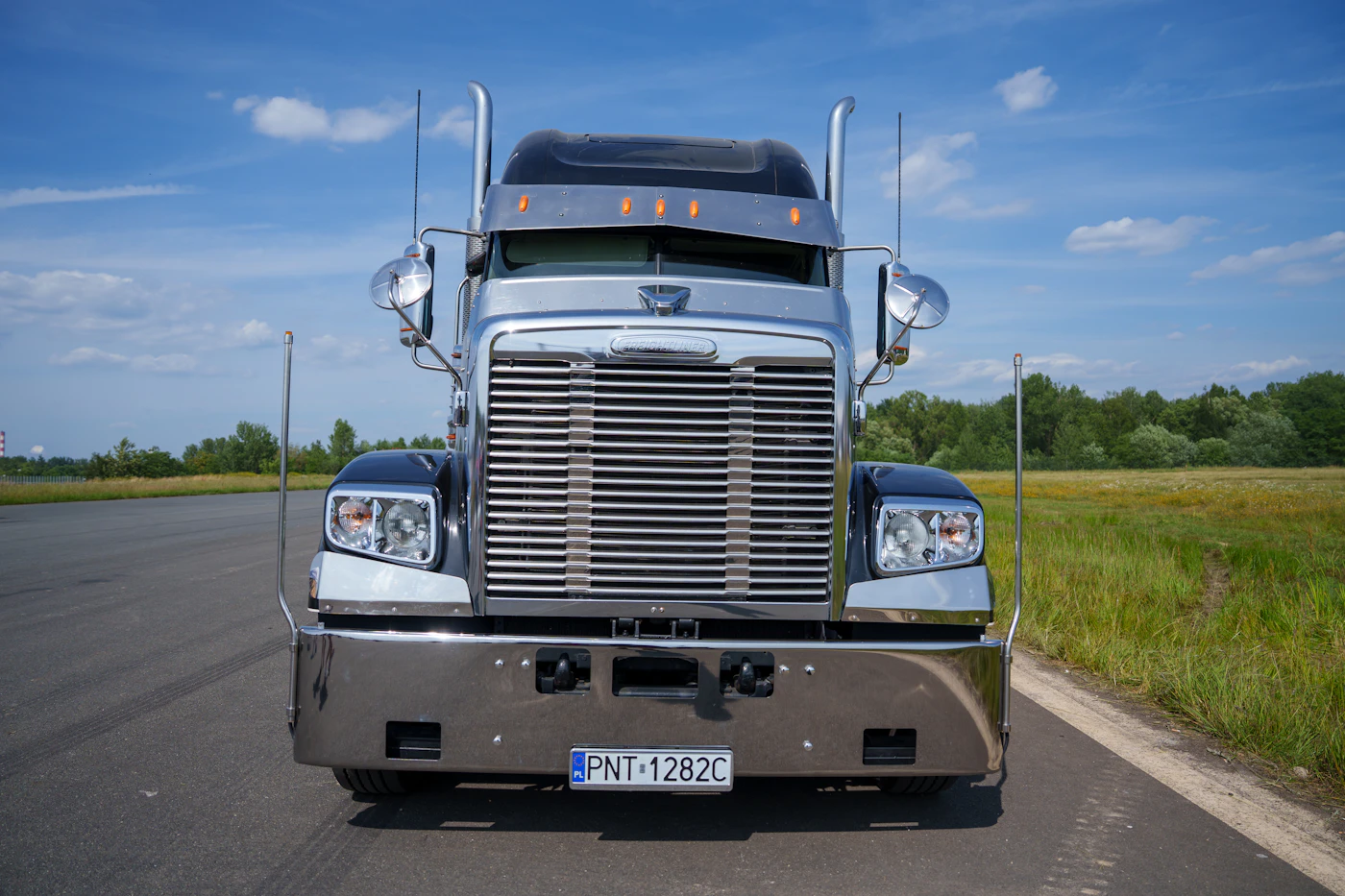
ADOT finished rebuilding 11 miles of I-10 through the Broadway Curve in May 2025, and its commercial ports of entry at Ehrenberg and San Simon sit on I-10 at the California and New Mexico lines. Arizona’s constitution forbids laws that cap damages for injury or death, which matters when you pick an excess limit. Send me the units, drivers and lanes and I take the fleet to market.
The corridors behind a Phoenix fleet file
- I-10 Broadway CurveADOT’s project widened 11 miles of I-10 from just south of Ray Road to I-17 near Sky Harbor, with collector-distributor roads between 40th Street and Baseline Road that separate through traffic from local exits. Construction ran from summer 2021 to May 31, 2025.
- Ports of entryADOT lists commercial ports of entry at Ehrenberg (I-10 near the California line), San Simon (I-10 near New Mexico), Topock and Sanders on I-40, and Nogales Mariposa at the border. A fleet’s inspection history at those stations shows up in its FMCSA profile.
- US 93 to Las VegasFHWA calls US 93 a high-priority trade corridor linking Southern California, Las Vegas and Phoenix.
I describe each unit to underwriters by where it runs: California-bound line haul, Arizona regional, or border and produce work. The radius and the share of miles in California change both the rate and the markets that will look at it.
Arizona filings, federal filings and the California question
Arizona sets its own minimums for loads that stay in the state and asks for a USDOT number on intrastate vehicles over 26,000 pounds; the limits and thresholds are on truck insurance in Arizona. Arizona doesn’t participate in UCR, so a Phoenix-based interstate fleet registers through a participating state. Interstate for-hire carriers file a BOC-3 and carry the federal minimums in 49 CFR 387.9: $750,000 for general freight, $1,000,000 for oil and most hazardous materials, $5,000,000 for the most dangerous bulk loads, backed by the MCS-90 endorsement.
Driving west adds California. CARB applies its Clean Truck Check program to vehicles over 14,000 pounds GVWR registered outside California when they operate in the state, which means reporting, a yearly fee and emissions testing for Arizona trucks that make California runs. A truck that is out of compliance can be refused at a California warehouse or held up by a broker, and that delay is generally not a covered cargo loss.
Border and produce loads
Many Phoenix fleets pick up freight that crossed the border at Nogales, often from warehouses near the port of entry. Two things to settle before that work starts:
- Coverage south of the line: a U.S. truck policy generally doesn’t satisfy Mexico’s liability rules, so a truck that crosses needs a policy from an insurer authorized in Mexico.
- Reefer cargo: produce loads put weight on the cargo form’s reefer breakdown and temperature terms, and many shippers ask for proof of temperature records (reefer trucking insurance).
ELD data, cameras and Phoenix heat
Most drivers required to keep records of duty status must use an electronic logging device (49 CFR 395.8). Underwriters now ask what else the ELD or telematics platform records, such as hard braking and speeding, and whether the fleet runs road-facing or dual-facing cameras. A camera clip that shows another driver at fault can close a claim that would otherwise go to a jury.
Summer heat in the Phoenix area is hard on tires, brakes and drivers. A pre-trip habit that checks tire pressure and tread, written down and kept, is the kind of record that helps a Vehicle Maintenance score and the conversation with an underwriter. Arizona’s workers’ comp law reaches every employer that regularly employs workers; comp for drivers and yard staff is on the Phoenix workers’ comp page, and leased owner-operators usually carry occupational accident coverage instead.
Arizona’s rule on damages and the excess limit
Article 2, Section 31 of the Arizona Constitution says no law may limit the amount of damages recovered for causing a person’s death or injury. There is no statutory cap for an Arizona jury to work under in a truck crash, and large verdicts against trucking companies across the country already push umbrella and excess pricing upward.
- I build the excess tower to the largest contract requirement you have, then quote a step above so you can see the difference.
- I read each excess layer against the primary auto policy’s definitions, including hired and non-owned autos (umbrella or excess).
- Financed tractors carry the lender on the physical damage policy at a value the loan needs, and pulling other companies’ trailers under an interchange agreement calls for trailer interchange coverage.
What to send me
- USDOT and MC numbers and your UCR base state.
- Units: VIN, value, GVWR, garaging address, lienholder and Clean Truck Check status for any truck that enters California.
- Drivers: license, hire date, experience and MVR.
- Lanes: share of miles in California, Arizona and other states, and any loads that cross into Mexico.
- Safety: ELD and camera vendors and your written safety policies.
- Contracts and losses: broker and shipper insurance sections and five years of loss runs.
Call or text (877) 711-4545.
Common questions
Do you have an office in Phoenix?
No. Alishahi Insurance has one office, in Beverly Hills, California. I’m licensed in Arizona and work with Phoenix fleets by phone, text and online.
Do my Arizona trucks need CARB Clean Truck Check?
If they are over 14,000 pounds GVWR and operate in California, yes. CARB applies the program to vehicles registered outside California when they run in the state.
Does my U.S. truck policy cover me in Mexico?
Generally not for Mexico’s liability requirements. A truck that crosses the border needs a policy from an insurer authorized in Mexico.
Does Arizona cap damages in truck accident lawsuits?
No. Article 2, Section 31 of the Arizona Constitution bars laws limiting the damages recovered for causing death or injury, which is one reason to carry an excess limit above the legal minimum.
Do Phoenix fleets register for UCR in Arizona?
Arizona doesn’t participate in the Unified Carrier Registration program, so an Arizona-based interstate carrier registers through a participating state.
General information about insuring trucking fleets based in Phoenix as of November 2026, not legal advice. FMCSA, ADOT, CARB and Mexican requirements change; confirm current rules with each agency and legal questions with an Arizona attorney. Coverage depends on underwriting and the terms, conditions and exclusions of the policy actually issued.