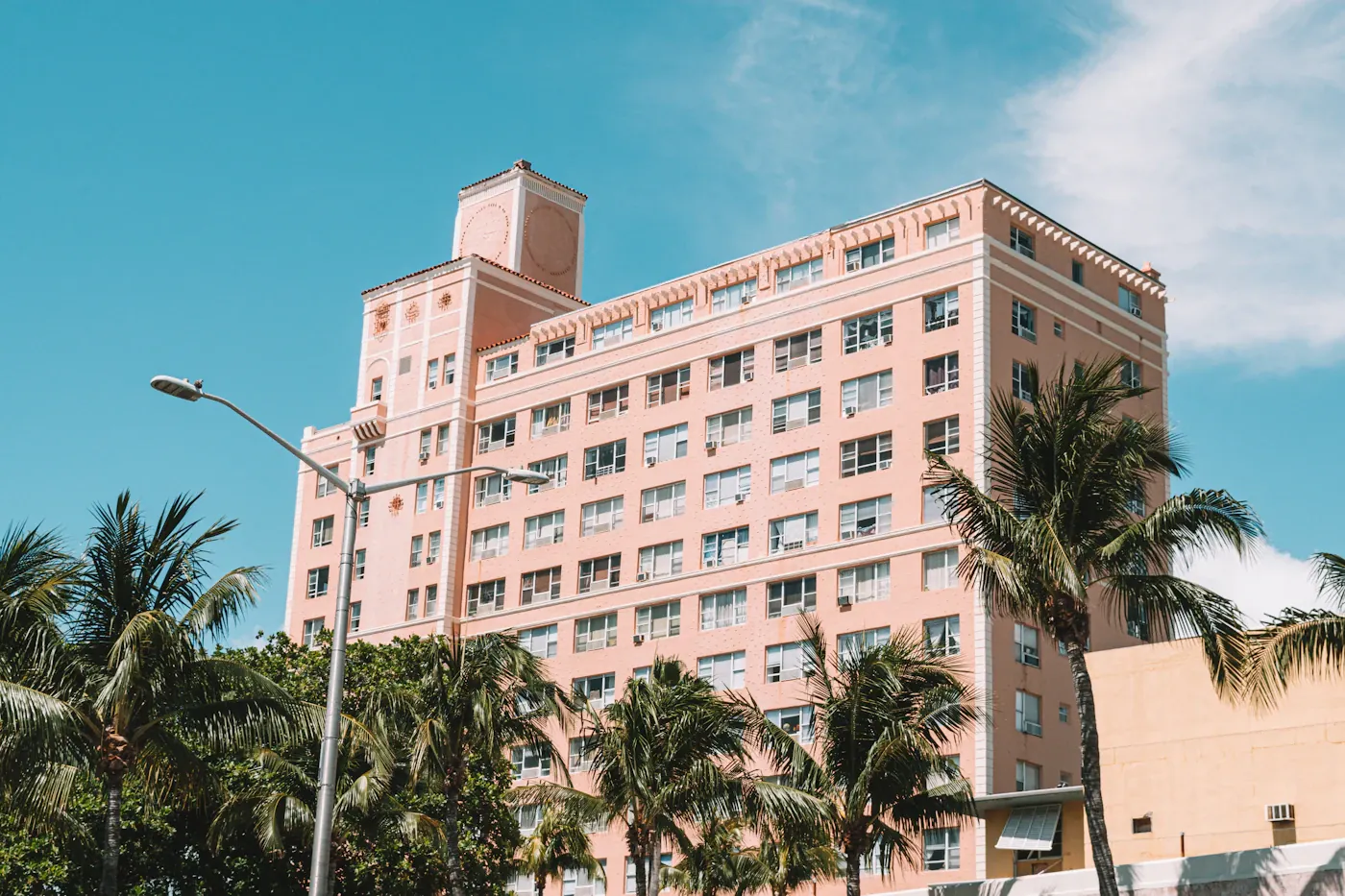
Know which city’s rules your building falls under before you ask for quotes. In Pasadena that means retrofit priority group, Measure H status and the last quadrennial inspection. In Burbank it means where you are on the retrofit timeline that runs to January 2030. In Glendale it means whether you have retrofitted voluntarily. Above Foothill Boulevard and along the Verdugo and San Rafael hillsides, add the fire hazard zone.
Three cities, three sets of rules
- Pasadena retrofitOrdinance No. 7345, adopted May 20, 2019, requires evaluation and possible retrofit of wood-frame soft-story buildings. The city counted approximately 493 of them.
- Pasadena rent controlMeasure H (Charter Article XVIII) covers multi-unit rental properties built before February 1, 1995, with an annual registry.
- Pasadena inspectionsThe Quadrennial Inspection Program, in place since 1987, inspects rental properties with three or more units once every four years.
- Burbank retrofitA mandatory soft-story ordinance was adopted December 10, 2024 and took effect January 10, 2025, with construction due by January 10, 2030.
- GlendaleNo mandatory soft-story ordinance as of the Building Official’s May 2026 article, which estimated about 1,000 apartment buildings with soft or weak lower levels. The Rental Rights Program covers just cause, lease offers and relocation.
The policy itself is built the same way in all three (how an apartment program is put together). What changes from one side of a city line to the other is what the underwriter asks you to prove.
Soft-story retrofit: Pasadena, Burbank and Glendale
Pasadena. Ordinance No. 7345 applies to wood-frame buildings where a permit for new construction was applied for on or before November 12, 1976 and the ground floor or basement has parking or similar open space that creates a soft, weak or open-front wall line. Single-family homes and multifamily parcels with four or fewer units are outside it. Notices went out in three groups:
- Priority 1Three or more stories, or 25 or more units, or a qualified historic building of any size. Notice dated December 5, 2019.
- Priority 2Parcels with 10 to 24 units. Notice dated December 2, 2020.
- Priority 3Non-historic two-story buildings with 5 to 9 units. Notice dated March 3, 2021.
Owners have four years from the notice to submit plans and obtain a permit (extended from three by Resolution No. 9774) and seven years from the notice to complete construction. Counting from the notice dates, that puts Priority 1 completion in December 2026, Priority 2 in December 2027 and Priority 3 in March 2028. Confirm your own date with the Building and Safety Division.
Burbank. The ordinance covers wood-framed buildings of two or more stories, built under codes before January 1, 1978, with a weaker, open first floor such as tuck-under parking. The compliance order is dated January 10, 2025. The city’s milestones: screening form by January 12, 2026; engineered plans by January 11, 2027; plan approval by January 10, 2028; building permit by January 10, 2029; construction complete by January 10, 2030.
Glendale. In a May 2026 article, the city’s Building Official wrote that Glendale is behind its neighbors, urged the council to adopt a mandatory ordinance, and noted that approximately 35 owners had already retrofitted voluntarily. I could not confirm any ordinance adopted since. If you are one of those owners, the permit and final sign-off are worth sending with your submission.
Underwriters do not wait for the legal deadline. They ask now whether the building is in scope, where the work stands, and whether you can produce the final inspection. Work in progress may need builder’s risk and the contractor’s certificates.
Faults under the foothills and earthquake coverage
The U.S. Geological Survey’s fault database describes the Raymond fault, which it links to the 1988 Pasadena earthquake, as a Holocene-active, steeply north-dipping left-lateral fault with a well-known location. On November 20, 2025 the California Geological Survey released official Alquist-Priolo Earthquake Fault Zone maps based on its evaluation of the Sierra Madre Fault Zone in the Pasadena and Mt. Wilson quadrangles; the release names Pasadena and Glendale among the cities affected. Those zones regulate new construction on a fault trace, not existing buildings, but an earthquake underwriter will look the address up.
Standard commercial property policies typically exclude earthquake shaking. The California Earthquake Authority’s policies are for homeowners, condo unit owners, mobilehome owners and renters, so an apartment building’s earthquake coverage is placed separately in the commercial market, usually with a percentage deductible. Year built, stories, tuck-under parking and retrofit paperwork drive the answer. How earthquake coverage works in California.
Rent rolls, Measure H and Glendale’s relocation rules
Loss of rents coverage replaces the rent you were actually collecting while units are repaired after a covered loss. Local rent rules decide what that number is and what it can become.
- Pasadena: base rent and the annual adjustment. Under Measure H the base rent for a tenancy that began on or before May 17, 2021 is the rent in effect on that date; for later tenancies it is the initial rent. Increases are limited to the Annual General Adjustment, 2.50 percent for October 1, 2026 through September 30, 2027, once every 12 months.
- Pasadena: the Rental Registry. Landlords must register covered units every year and pay the rental housing fee by October 31. Units subject only to the just cause provisions register too. A registered rent roll is the cleanest proof of income you can hand an underwriter or an adjuster.
- Glendale: the 7 percent line. Glendale’s program does not set a rent cap of its own; its FAQ points owners to the state Tenant Protection Act for that. Under the city program, a rent increase above 7 percent over the previous 12 months lets the tenant decline it and ask for relocation assistance. That piece excludes parcels with two or fewer units and properties with a certificate of occupancy after 1995.
- Glendale: leases and no-fault moves. Landlords must offer a one-year lease to new tenants and when raising rent. Complying with a government order is a no-fault ground for eviction, and no-fault relocation is doubled for qualified tenants.
Size the loss of rents limit to the real roll and a realistic repair period, not to what the building might earn at market. How income coverage works. I did not verify Burbank’s local rent rules for this page, so check with the city.
Foothill fire zones after the Eaton Fire
CAL FIRE’s incident record for the Eaton Fire shows it started January 7, 2025 in the Altadena and Pasadena area, burned 14,021 acres, destroyed 9,419 structures and damaged 1,076 more. Pasadena then took up the State Fire Marshal’s updated Fire Hazard Severity Zone map, which the city received on March 24, 2025. The City Attorney’s July 2025 report to the council said properties in the Very High zone would rise from 3,911 under the 2008 map to 4,610, and that the Fire Department inspects Very High zone properties annually.
An apartment building in or near one of those zones is underwritten on its zone, roof, vents, defensible space and distance to brush. When standard and surplus lines insurers decline, the California FAIR Plan offers commercial coverage for buildings with five or more habitational units. Its commercial policy is named-peril, so it is usually paired with a difference-in-conditions policy, and liability is bought separately. How the FAIR Plan and DIC fit together.
Inspections, balconies and liability
Pasadena’s quadrennial inspection notifies the owner of code violations and gives time to correct them; once they are corrected the city issues a Certificate of Occupancy for the rental property. A recent one is a good exhibit. An open list of violations is the opposite, especially if a tenant is later hurt on the item listed.
State law adds a second record. Health and Safety Code section 17973 (from SB 721) requires inspection of wood-supported balconies, decks, stairways and walkways more than six feet above ground at buildings with three or more multifamily units. The first inspection was due by January 1, 2026 and it repeats every six years. Liability underwriters ask for the report and proof that anything flagged was repaired. Rebuilding an older building also triggers current code, which is what ordinance or law coverage is for, and a commercial umbrella sits over the liability policy.
What to send me
- Address and city, year built, stories, unit count, construction type and parking layout.
- Retrofit file: Pasadena notice and priority group, Burbank screening form, permits, final inspection, or the engineer’s schedule.
- Rent roll, with Pasadena registry status or Glendale lease dates, and a recent operating statement.
- Current declarations pages for property, earthquake, liability and umbrella.
- Five years of loss runs, with what was repaired.
- System updates with years: roof, plumbing, electrical panels, water heaters.
- Inspection records: the last quadrennial inspection and certificate, the balcony report, any fire department brush notices.
Common questions
Who insures apartment buildings in Pasadena, Glendale and Burbank?
Admitted and surplus lines insurers both write them, and which one fits depends on age, retrofit status, losses and fire zone. As an independent broker I take the building to the markets that want that profile.
When is the Pasadena soft-story retrofit deadline?
Construction is due seven years from the notice to the owner. Notices were dated December 5, 2019 for Priority 1, December 2, 2020 for Priority 2 and March 3, 2021 for Priority 3, so the first group comes due in December 2026.
Does Glendale require soft-story retrofits?
Not as of the Glendale Building Official’s May 2026 article, which urged the council to adopt a mandatory ordinance and counted about 35 voluntary retrofits. Check with Glendale Building and Safety for anything adopted since.
Does Burbank have a mandatory retrofit ordinance?
Yes. Burbank adopted it on December 10, 2024, effective January 10, 2025, for wood-framed buildings of two or more stories built under pre-1978 codes with an open first floor. Construction must be complete by January 10, 2030.
Why did my apartment insurance go up in Pasadena after the Eaton Fire?
Insurers repriced foothill property after a fire that CAL FIRE records as destroying 9,419 structures, and Pasadena’s 2025 map put more properties in the Very High Fire Hazard Severity Zone. An unfinished retrofit or older systems can add to it.
Does Measure H affect my insurance?
Indirectly. It fixes the rent roll your loss of rents limit should be based on, and the annual registry gives you a record of it. It does not change what the property policy covers.
Do I need earthquake insurance on an apartment building in Pasadena or Glendale?
No law requires it, though a lender may. Standard commercial property policies typically exclude earthquake, so it is bought separately, and a finished retrofit widens the choice of markets.
General information about insuring apartment buildings in Pasadena, Glendale and Burbank as of November 2026, not legal advice. Retrofit deadlines, rent and relocation rules, fire hazard maps and inspection programs are set by city ordinance and state law and change; confirm your building’s status with each city’s building and housing departments and your obligations with counsel. Coverage depends on underwriting and the terms, conditions and exclusions of the policy actually issued.