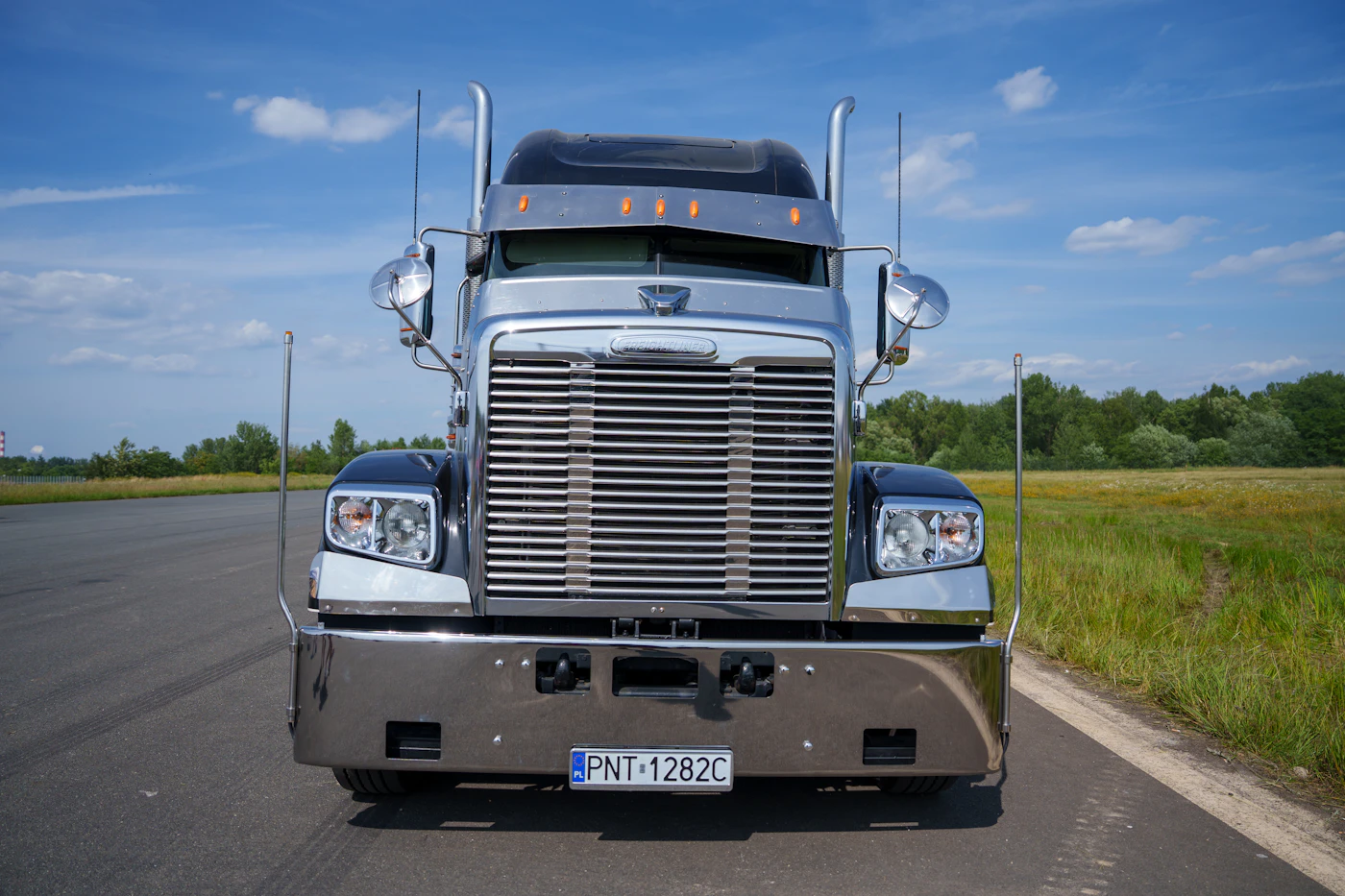
North Carolina Ports runs an inland port in Charlotte fed by a nightly CSX train from the Port of Wilmington, and Norfolk Southern’s intermodal terminal sits between two runways at Charlotte Douglas. North Carolina also makes a motor carrier answer for comp on owner-operators who drive for it without their own coverage, which shapes how a fleet leases trucks.
Rail ramps that feed the trucks
- Charlotte Inland PortNC Ports’ yard covers 20 acres, 10 of them developed, and holds up to 2,000 grounded or wheeled containers. Its Queen City Express trains are built nightly, and import containers from Wilmington are available in Charlotte at 8 a.m. the next day.
- CSX rampThe CSX intermodal ramp that serves the inland port, on Hovis Road, is open 24 hours a day, seven days a week.
- Airport terminalNorfolk Southern built its Charlotte Regional Intermodal Facility between two runways at Charlotte Douglas, designed for 200,000 lifts a year and tied to I-485 by a new interchange. It replaced a 40-acre downtown terminal that couldn’t grow.
Drayage out of those ramps means short, repeated trips, chassis you don’t own, and a lot of yard time. Underwriters ask how many moves a day, what share is drayage, and whether drivers inspect chassis before they leave. If ramp work is your main business, start with intermodal drayage insurance.
I-85, I-77 and the express lanes
The I-77 Express Lanes run a 26-mile corridor with 11 entry and exit points. They are open to two-axle vehicles; a vehicle towing a trailer can’t exceed three axles in total, and multiple-axle trailers are banned, so tractor-trailers stay in the general lanes next to the tolled traffic. That is where congestion, merging and rear-end risk sit. Fleets that run the I-85 corridor into South Carolina should list those miles and any South Carolina garaging on the application (South Carolina truck rules).
North Carolina filings and limits
- In-state USDOT marking. Intrastate trucks over 26,000 pounds show the owner’s name and USDOT number with the letters NC after it (North Carolina truck insurance).
- Liability for heavy trucks. North Carolina requires $750,000 for commercial motor vehicles over 26,000 pounds, private carriers included, with more for hazmat. For-hire carriers need a Form E on file before registration.
- Federal layer. Interstate general freight in trucks of 10,001 pounds or more needs $750,000 under 49 CFR 387.9, oil and many hazardous materials $1,000,000, and bulk hazardous substances $5,000,000, proved by the MCS-90. Add the BOC-3 and yearly UCR.
Owner-operators and G.S. 97-19.1
North Carolina has a comp rule written for trucking. Under G.S. 97-19.1, a carrier that contracts with an individual to operate a USDOT-licensed truck is liable as an employer for comp benefits if the operator is hurt and has no coverage, unless the operator is running solely under his own USDOT license. The carrier may cover its contractors under a blanket policy, and the contract may require them to reimburse the cost.
- Lease file. For each leased operator, keep the lease, whose authority the truck runs under, and a current comp or occupational accident certificate.
- Audit. A comp auditor who finds uncovered operators can charge for them as employees. I set the policy up for how you actually lease (occupational accident vs. comp).
- Your employees. North Carolina requires comp at three employees; the rate bureau and reporting rules are on the Charlotte workers’ comp page.
Chassis, trailers and physical damage
- Interchange. Ocean carriers, railroads and equipment providers make you responsible for their containers and chassis while in your possession, usually under the industry’s standard interchange agreement. That calls for trailer interchange at the limit the agreement sets.
- Owned units. Financed tractors need physical damage with the lender as loss payee, scheduled at values you can support.
- Cargo. Federal rules don’t require it for most general freight, but brokers and shippers do, and drayage contracts often carry their own cargo terms (why cargo claims get denied).
What makes the file better
Underwriters pull your CSA percentiles first (how CSA works), then ask about hiring standards, MVR reviews and whether your ELD and camera data are used to coach drivers. Large trucking verdicts nationwide have pushed umbrella and excess prices up and made markets cautious about high limits, so a clean, documented safety program is worth more than ever when shippers ask for excess layers above the primary auto (commercial umbrella).
What to send me
- USDOT and MC numbers, and your NC registration details.
- Unit schedule with VINs, values, lienholders and garaging in North or South Carolina.
- Owner-operator list with leases and their comp or occupational accident certificates.
- Interchange agreements and the share of ramp or port work.
- Driver list, customer contracts and five years of loss runs.
Call or text (877) 711-4545. From outside the U.S. or Canada: +1 (424) 552-4545.
Common questions
Do you have an office in Charlotte?
No. Alishahi Insurance has one office, in Beverly Hills, California. I am licensed in North Carolina and work with Charlotte fleets by phone, text and online.
Am I responsible for comp on owner-operators in North Carolina?
Possibly. Under G.S. 97-19.1, a carrier is liable as an employer for an uninsured operator it contracts with, unless the operator runs solely under his own USDOT license. Collect certificates and read the lease with counsel.
Can my trucks use the I-77 Express Lanes?
Two-axle trucks can. Vehicles towing trailers can’t exceed three axles in total and multiple-axle trailers are prohibited, so tractor-trailers use the general lanes.
Do I need trailer interchange for Charlotte ramp work?
If you pull containers or chassis owned by someone else under an interchange agreement, yes. The agreement usually sets the limit.
What liability does North Carolina require for heavy trucks?
$750,000 for commercial motor vehicles over 26,000 pounds, private and for-hire, with more for hazmat. Interstate loads follow the federal schedule.
General information about insuring trucking fleets in Charlotte as of November 2026, not legal advice. FMCSA, NCDMV, NC Ports, toll lane and workers’ comp rules change; confirm current requirements with each agency and your leases and contracts with counsel. Coverage depends on underwriting and the terms, conditions and exclusions of the policy actually issued.