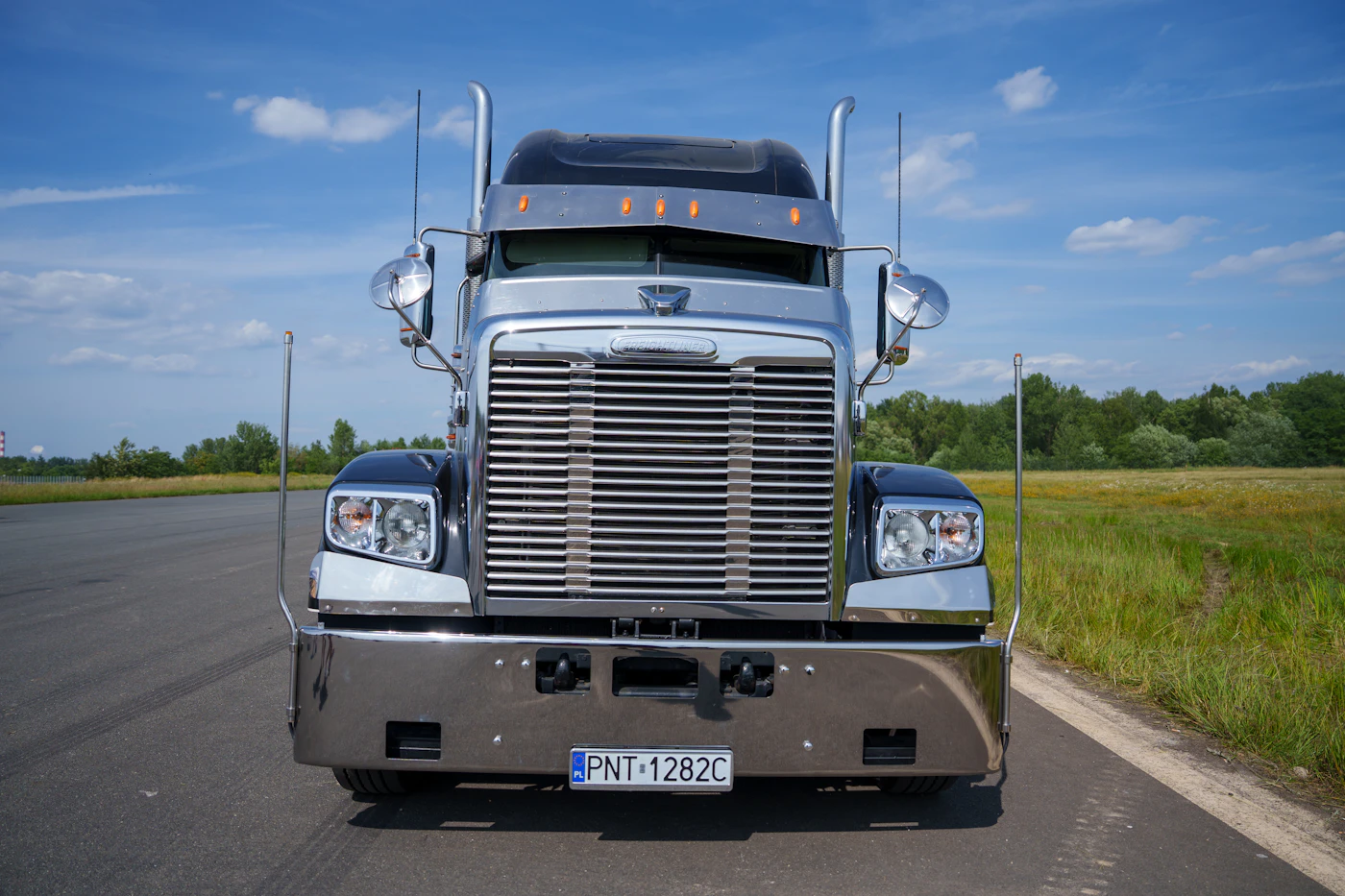
Miami International calls itself America’s No. 1 airport for total freight and total international freight, with a record 3.4 million tons of airfreight in 2025. PortMiami handled more than 1.1 million TEUs in fiscal 2025, and its trucks reach I-395 through a tunnel instead of downtown streets. Florida sets its own intrastate minimums by truck weight and does not take part in UCR.
What Miami trucks carry
- AirportMIA says it is the country’s No. 1 airport for total freight and for international freight, and second for total cargo including mail. It handled a record 3.4 million tons of airfreight in 2025.
- Perishables and pharmaCut flowers, trees, plants and bulbs are among MIA’s top imports by volume, and IATA named it the first Pharma Hub Airport in the U.S.
- SeaportMiami-Dade County reports that PortMiami moved 1,115,058 TEUs in fiscal 2025, its eleventh year in a row above one million.
- The tunnelThe PortMiami Tunnel, substantially complete in August 2014, links the port with the MacArthur Causeway and I-395. The Federal Highway Administration says it took cargo trucks and cruise buses off downtown streets.
Cargo coverage for flowers, food and medicine
Federal rules don’t require cargo insurance for most general freight, but nobody hands a Miami load of flowers or pharmaceuticals to a carrier without it. Shippers and brokers set the limit per load, and the conditions in the cargo form decide whether a claim pays.
- Reefer breakdown. Spoilage from a refrigeration unit failure is usually covered only by an added endorsement, often with conditions on maintenance records and temperature logs (reefer trucking insurance).
- Theft conditions. Many forms limit theft from an unattended truck unless it was locked, alarmed or in a secured lot. High-value loads may need a scheduled limit higher than your standard per-load limit.
- Commodity exclusions. Some forms exclude or sublimit pharmaceuticals, electronics or alcohol. I match the commodities you haul to the form before you sign a contract (why cargo claims get denied).
Florida rules for motor carriers
- Intrastate minimums by weight. Florida Statute 627.7415 sets combined limits of $50,000 for trucks of 26,000 to under 35,000 pounds, $100,000 for 35,000 to under 44,000, and $300,000 for 44,000 pounds or more. Vehicles subject to federal Part 387 carry the federal amounts instead (Florida truck insurance).
- No UCR here. Florida doesn’t participate in UCR, so a Florida-based interstate carrier registers through a participating state (UCR registration).
- Comp at four employees. Non-construction employers, trucking included, must carry comp with four or more employees, counting corporate officers and LLC members (Florida comp rules).
Federal filings that come first
Interstate for-hire general freight in trucks of 10,001 pounds or more needs $750,000 under 49 CFR 387.9; oil and many hazardous materials need $1,000,000, and bulk hazardous substances $5,000,000. The MCS-90 proves it, and a BOC-3 names your process agents. Underwriters then read your CSA BASICs (CSA scores), your hiring rules and MVR reviews, and whether your ELD and camera data are actually used.
Florida’s 2023 tort changes and your limits
HB 837, effective March 24, 2023, cut Florida’s limitations period for general negligence from four years to two, and a plaintiff found more than 50 percent at fault for his own harm now recovers nothing. Those changes matter in a crash case, but they don’t cap damages. Large verdicts against trucking companies around the country are still the main reason umbrella and excess limits for fleets are costly and hard to build. I size the tower to your largest contract, not to a guess about juries, and make sure each layer follows the primary auto (commercial umbrella).
Containers, trailers and storm season
- Interchange. Containers and chassis you pull from the port belong to ocean carriers or equipment providers, and the interchange agreement makes you responsible for them. That needs trailer interchange (drayage coverage).
- Physical damage. Tractors and reefer trailers parked in a South Florida yard are exposed to hurricane wind and flooding. Comprehensive coverage on physical damage is what responds, so plan where units go when a storm is forecast.
- Owner-operators. Leased operators on your authority usually carry non-trucking liability and occupational accident; I check those certificates with your program.
What to send me
- USDOT and MC numbers and the state where you file UCR.
- Unit schedule with VINs, values, lienholders and garaging, including reefer units and their ages.
- Commodities by share, with the highest-value load you carry.
- Driver list with CDL years, hire dates and MVRs.
- Contracts, interchange agreements and five years of loss runs.
Call or text (877) 711-4545. From outside the U.S. or Canada: +1 (424) 552-4545.
Common questions
Do you have an office in Miami?
No. Alishahi Insurance has one office, in Beverly Hills, California. I am licensed in Florida and work with Miami fleets by phone, text and online.
What liability does Florida require for an in-state truck?
Florida Statute 627.7415 sets combined minimums by weight: $50,000, $100,000 or $300,000 depending on the truck. Vehicles under federal Part 387 carry the federal amounts.
Does a Florida trucking company register for UCR?
Florida doesn’t participate in UCR, so a Florida-based interstate carrier registers through a participating state.
Does cargo insurance cover a reefer breakdown?
Usually only with an added endorsement, and often with conditions on maintenance and temperature records. Check the form before hauling flowers, produce or medicine.
Did Florida’s 2023 tort reform lower trucking insurance needs?
It shortened the negligence limitations period to two years and barred recovery for a plaintiff more than 50 percent at fault, but it didn’t cap damages. Contracts still set the limits you need.
General information about insuring trucking fleets in Miami as of November 2026, not legal advice. FMCSA, Florida statutes, port and airport rules change; confirm current requirements with each agency and your contracts and claims with counsel. Coverage depends on underwriting and the terms, conditions and exclusions of the policy actually issued.