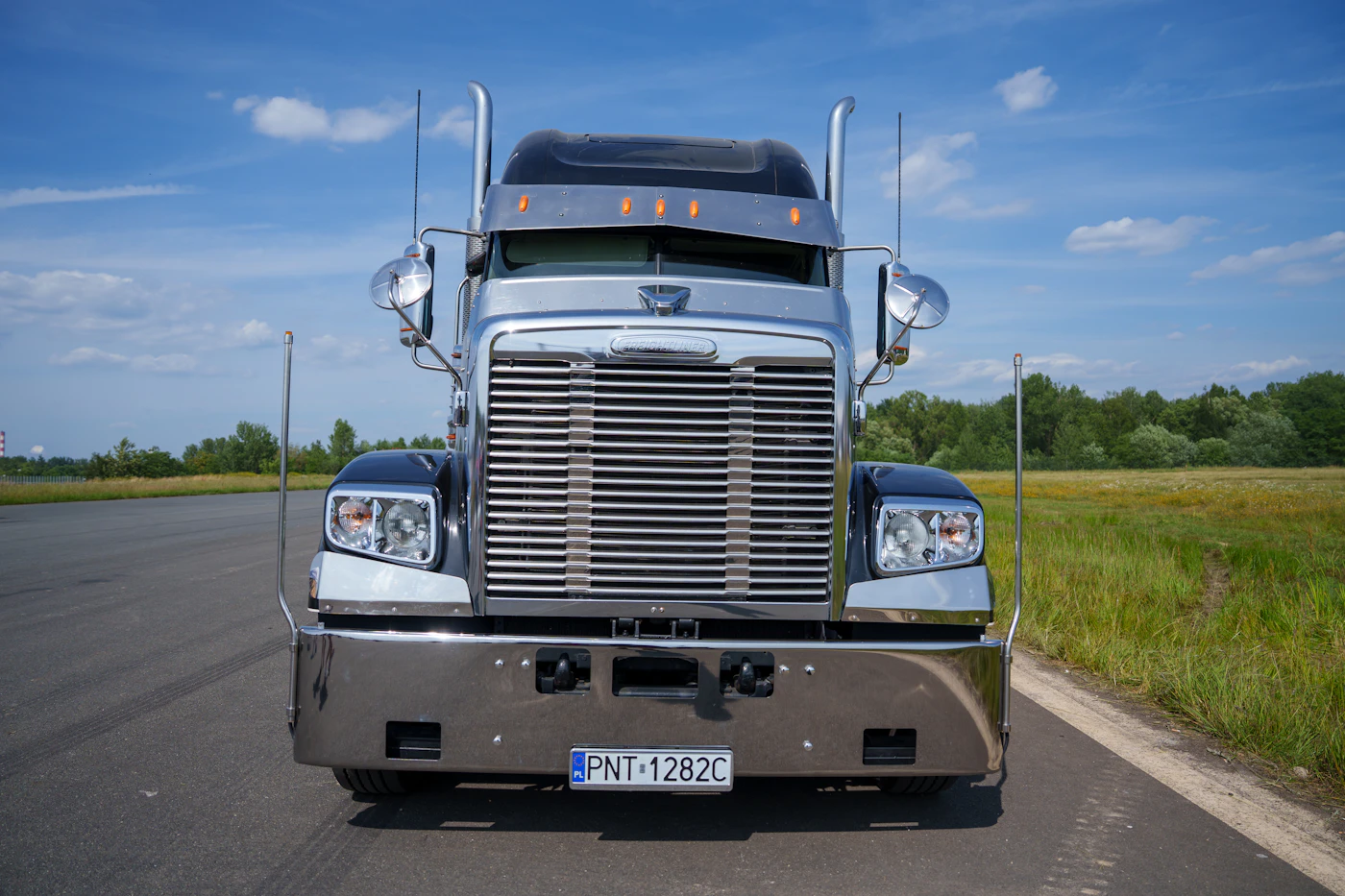
CPKC keeps its U.S. head office downtown and opened a U.S. operations center at Knoche Yard in 2024. BNSF’s intermodal yard in Edgerton, Kansas, opened in 2013 as the region’s largest. MoDOT is adding a third lane in each direction on nearly 200 miles of I-70 from Blue Springs to Wentzville, with work zones scheduled into 2030. Missouri’s own intrastate liability minimum sits well below the federal one, so contracts decide the limit.
Rail, river and the I-70 rebuild
- CPKCCanadian Pacific Kansas City’s 2024 annual report lists its U.S. head office on West 12th Street, and its rail network runs from Canada through the U.S. into Mexico, which feeds cross-border freight through the metro.
- EdgertonBNSF opened its intermodal yard in southern Johnson County, Kansas, in October 2013, turning the I-35 corridor southwest of the city into a container drayage lane.
- I-70 work zonesMoDOT’s Improve I-70 program is widening the interstate from Blue Springs to Wentzville; the Blue Springs to Odessa section runs from September 2025 to late 2028, and the whole corridor is expected to finish by the end of 2030.
- Truck parkingFederal INFRA grant money is expanding truck parking at Odessa, Concordia, Boonville, Mineola and Wright City.
Years of lane shifts and narrowed shoulders on the main route to St. Louis are a real rear-end and sideswipe exposure. I tell markets which of your runs use that corridor and what your speed and following-distance data show.
Missouri, Kansas and federal filings
Most Kansas City fleets cross the state line daily, so they need a USDOT number, MC authority, a BOC-3 and UCR each year. Freight that truly stays inside Missouri needs Missouri Intrastate Operating Authority from MoDOT Motor Carrier Services, applied for through MoDOT Carrier Express with a Form E insurance filing. Missouri’s rule for intrastate non-hazardous property carriers asks for only one hundred thousand dollars per person and three hundred thousand per accident for bodily injury, plus fifty thousand for property damage. That is a filing level, not a protection level; shipper and broker contracts almost always call for far more. Kansas has its own intrastate rules through the Kansas Corporation Commission. Missouri truck insurance rules.
Federal limits and excess layers
Once a load crosses state lines, 49 CFR 387.9 sets the floor: seven hundred fifty thousand dollars for for-hire general freight in trucks of 10,001 pounds or more, one million for oil and most hazardous materials, and five million for the most dangerous hazardous loads. The MCS-90 on your policy guarantees the public that amount (MCS-90).
Trucking lawsuits now end in large verdicts often enough that umbrella and excess markets have raised prices and cut the limits each will write. For a Kansas City fleet with rail, retail and broker customers, I build the tower to the strictest contract, line up each layer’s terms with the primary auto, and keep certificates consistent across both states. Commercial umbrella.
The safety record behind the quote
- CSA: 24 months of inspections and crashes feed seven BASICs. A clean-looking percentile with few inspections reads differently from the same number with many. CSA scores.
- ELD, cameras, telematics: logs are required for most interstate drivers. Camera and speed data are optional, and underwriters give weight to a program that you actually review and coach from.
- Driver files: MVRs at hire and each year, Clearinghouse queries, road tests and a written standard you apply the same way to every driver.
Equipment, interchange and cargo
- Physical damage: lenders and lessors require it on financed units. Values should match what you can prove. Physical damage.
- Trailer interchange: pulling rail containers or another carrier’s trailers needs it, at the limit the interchange agreement sets. Trailer interchange.
- Cargo: required by contract, not federal law, for most freight. Automotive parts, electronics and food loads need limits and conditions, such as reefer breakdown, matched to what you haul. Cargo insurance.
Comp on both sides of State Line Road
Missouri requires most employers to carry workers’ comp, and a driver who lives in Kansas but reports to a Missouri terminal can raise a question about which state’s law applies. I make sure the policy lists every state where you have employees or regular work. For leased owner-operators, decide in the lease who covers injuries, and ask for comp or occupational accident proof from anyone not on your policy (occupational accident vs. comp). See the Kansas City workers’ comp page.
What to send me
- USDOT, MC and any Missouri or Kansas intrastate numbers.
- Unit schedule with VINs, values, lienholders and which side of the line each unit is garaged on.
- Driver list with license class, experience, state of residence and MVRs.
- Interchange and customer contracts.
- Current declarations and five years of loss runs.
Call or text (877) 711-4545.
Common questions
Do you have an office in Kansas City?
No. Alishahi Insurance has one office, in Beverly Hills, California. I am licensed in Missouri and Kansas and work with Kansas City fleets by phone, text and online.
Is a run from Kansas City, Kansas, to Kansas City, Missouri, interstate?
Crossing the state line in commerce generally makes it interstate, which brings in federal registration and limits. Ask counsel about any unusual pattern.
What does Missouri require for intrastate carriers?
MoDOT intrastate authority with a Form E filing, and liability of one hundred thousand per person, three hundred thousand per accident and fifty thousand property damage for non-hazardous property.
Will the I-70 construction affect my insurance?
Markets look at crash history and the lanes you run. Work zones increase rear-end risk, so speed and following-distance data from your trucks help.
Do I need trailer interchange for rail containers?
If you sign an interchange agreement for equipment you don’t own, yes, at the limit the agreement sets.
Is seven hundred fifty thousand dollars of liability enough?
It is the federal floor for general freight. Most contracts ask for more, which usually means an umbrella or excess layer.
General information about insuring trucking fleets in the Kansas City area as of November 2026, not legal advice. FMCSA, MoDOT, Kansas Corporation Commission and Missouri workers’ comp rules change; confirm current requirements with each agency, and how your drivers are engaged with counsel. Coverage depends on underwriting and the terms, conditions and exclusions of the policy actually issued.