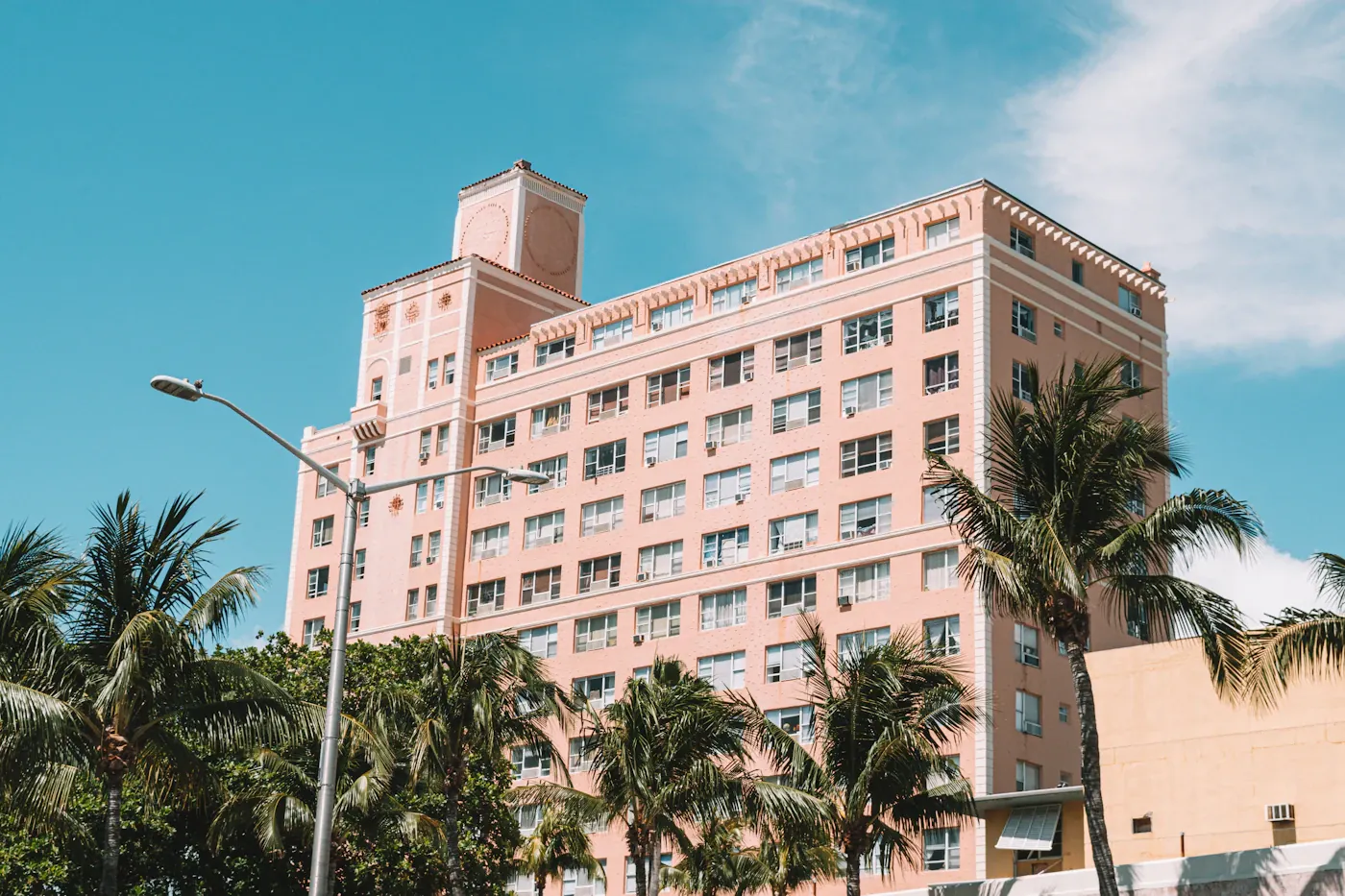
All three cities regulate rents and all three have retrofit programs, but the cut-off years and paperwork differ. Santa Monica rent control turns on April 10, 1979 and West Hollywood’s on July 1, 1979. Beverly Hills sorts buildings into Chapter 5 and Chapter 6. Bring the retrofit sign-off, the registered rent roll and the address, because parts of all three cities sit near mapped faults.
What sets Westside apartment buildings apart
- Santa Monica retrofitThe Seismic Retrofit Ordinance was adopted in March 2017. The city identified over 2,000 commercial and multifamily buildings as potentially vulnerable, across five building types.
- Santa Monica rent controlAdopted by voters in April 1979. It covers most residential rental buildings constructed before April 10, 1979 and certain units built later.
- West Hollywood retrofitOrdinance 17-1004, adopted April 17, 2017, covers wood-frame buildings with soft, weak or open-front walls. A second ordinance covers older concrete and steel-frame buildings.
- West Hollywood rent stabilizationThe full ordinance applies to multifamily rental units built before July 1, 1979. Limits on ending a tenancy apply to units of any age.
- Beverly HillsOrdinance 18-O-2767 mandates soft-story retrofit of pre-1978 wood-frame multifamily buildings. Rent rules are split between Chapter 5 and Chapter 6 of the municipal code.
The coverage parts are the same as anywhere in California (how an apartment program is put together). These local rules decide what the underwriter asks and how much rent there is to insure.
Seismic retrofit status, city by city
Santa Monica. The city’s compliance schedule lists concrete tilt-up, unreinforced masonry, soft-story, non-ductile concrete and steel moment frame buildings. Soft-story owners were noticed in groups from September 25, 2017 through July 30, 2018, and the schedule’s retrofit-complete dates for those groups run from September 2025 to July 2026. Non-ductile concrete is due October 2027 and steel moment frame October 2037. Being on the list is not a finding that a building is deficient; the owner is ordered to have it structurally analyzed first. The city’s Safety Element reported that as of November 2024, 957 of 1,686 soft-story cases were closed, about 64 percent.
West Hollywood. The soft-story ordinance took effect April 1, 2018 and applies where a construction permit was applied for before January 1, 1978. Priority I, buildings with 16 or more units, was noticed April 2, 2019; Priority II, three or more stories with fewer than 16 units, and Priority III, everything else, followed later in 2019. The original milestones ran one, two, four and five years from notice. The city has since extended them: by the length of the local emergency order plus 180 days, approved March 6, 2023, and again for screening reports and retrofit plans on November 4, 2024 by Resolution 24-103. Check the city’s current table for your date. Ordinance 17-1011, effective August 7, 2018, covers non-ductile concrete and pre-Northridge steel moment frame buildings.
Beverly Hills. The ordinance was adopted December 11, 2018 and took effect January 11, 2019. It applies to wood-frame multifamily buildings with a construction permit applied for before January 1, 1978, ground-floor parking or similar open space, and one or more stories above. The city’s milestone table sets final inspection deadlines by tier:
- Tier IThree or more stories. Final inspection approval by June 30, 2022.
- Tier IITwo stories with six or more units. By January 5, 2023.
- Tier IIIBuildings not in Tier I or II. By July 6, 2023.
For insurance the useful documents are the screening report or structural analysis, the permit, and the final inspection or the city’s letter closing the case. A deadline that has passed with the work unfinished reads to an underwriter as both a structural and a code-enforcement problem. If construction is still under way, ask about builder’s risk.
Fault zones and earthquake coverage
Santa Monica’s Safety Element, adopted in February 2025, says the California Geological Survey designated the Santa Monica earthquake fault zone through the northeast portion of the city, and that properties in the North of Montana, Northeast and Mid-City neighborhoods sit inside it. The same document names the Santa Monica and Newport-Inglewood fault zones among the highest risks to the city, and describes a worst case in which the Santa Monica fault ruptures together with the Malibu Coast and Hollywood faults. A state Mining and Geology Board report describes the Hollywood fault as running about 17 kilometers through Beverly Hills, West Hollywood and Hollywood. I did not verify zone boundaries inside Beverly Hills or West Hollywood for this page; the state’s online zone map answers that by address.
Earthquake is typically excluded from standard commercial property policies. The California Earthquake Authority’s policies are for homeowners, condo unit owners, mobilehome owners and renters, so an apartment building’s earthquake coverage is placed on its own in the commercial market with a percentage deductible. Along the Santa Monica coastline the Safety Element also notes liquefaction risk, which earthquake underwriters check. How earthquake coverage works in California.
Rent control, loss of rents and displaced tenants
Loss of rents coverage pays the rent you were collecting while units are being repaired after a covered loss. In these three cities much of that rent is regulated, so the limit should follow the registered roll.
- Santa Monica. Rent control also reaches certain single-family homes and condominiums, and eviction protections extend to nearly all tenants whether or not the unit is rent-controlled. The Rent Control Board has determined that owners may not pass seismic retrofit costs through to tenants.
- West Hollywood. Rent increases on covered units are limited to the Annual General Adjustment, and owners pay an annual per-unit registration fee. Relocation fees are owed when an owner or close relative moves into a unit or the building is withdrawn under the Ellis Act.
- Beverly Hills. Chapter 6 applies to multifamily buildings of two or more units, other than housing with a certificate of occupancy issued after February 1, 1995 and Chapter 5 units, and allows one increase in any 12 months of 3 percent or the area consumer price index change, whichever is greater. Chapter 5, first adopted September 19, 1978, covers pre-1978 units first rented to the current tenant below a set monthly rent. Units must be registered. Relocation fees for certain evictions are set by bedroom count, adjusted every July 1, with an added amount for households with a senior, a disabled person or a minor.
A fire or a retrofit can also put tenants out temporarily. Santa Monica’s code gives a displaced tenant the right to reoccupy the unit once the work is done, with the tenancy’s prior rights intact, and the owner must give the city an estimated relocation period for approval. West Hollywood requires a Tenant Habitability Plan with retrofit plans for apartment buildings. Plan on getting the same tenants and the same rents back. How income coverage works.
Balconies, older systems and liability
Much of this housing dates from before the 1979 rent control cut-offs, so underwriters ask for years on the roof, plumbing, electrical panels and water heaters, and whether any original galvanized pipe or knob-and-tube wiring remains. Updates count only when documented. Rebuilding after a large loss triggers current code, which ordinance or law coverage is meant to pay for.
State law adds an inspection record. Health and Safety Code section 17973 (from SB 721) requires inspection of wood-supported balconies, decks, stairways and walkways more than six feet above ground at buildings with three or more multifamily units, due by January 1, 2026 and every six years after. Liability underwriters ask for the report and the repairs. Tenant injury and habitability claims are why I put a commercial umbrella over the liability policy, and ground-floor shops on the commercial boulevards make a building mixed-use, with a commercial tenant’s exposure to account for.
If standard and surplus lines insurers decline a building, the California FAIR Plan offers named-peril commercial coverage for buildings with five or more habitational units. How the FAIR Plan and DIC fit together.
What to send me
- Address and city, year built, stories, unit count, construction type and parking layout, with any ground-floor commercial space.
- Retrofit file: the city’s order or notice, the structural analysis or screening report, permits, and the final inspection or closure letter.
- Registered rent roll, showing which units are rent-controlled (and Chapter 5 or 6 in Beverly Hills), with a recent operating statement.
- Current declarations pages for property, earthquake, liability and umbrella.
- Five years of loss runs, with what was repaired.
- System updates with years: roof, plumbing, electrical, water heaters.
- The balcony inspection report and any open city orders.
Common questions
Who insures apartment buildings in Santa Monica, West Hollywood and Beverly Hills?
Admitted and surplus lines insurers both write them; the fit depends on age, retrofit sign-off, systems and loss history. As an independent broker I take the building to the markets that want that profile.
Has the Santa Monica soft-story retrofit deadline passed?
For most buildings, yes. The city’s schedule lists retrofit-complete dates for its soft-story groups from September 2025 through July 2026. Confirm your building’s status with the Building and Safety Division.
Does West Hollywood require seismic retrofits on apartment buildings?
Yes. Ordinance 17-1004 covers wood-frame soft-story buildings with permits applied for before January 1, 1978, and a second ordinance covers non-ductile concrete and pre-Northridge steel moment frame buildings. The city has extended the original milestone dates, so check its current table.
What were the Beverly Hills soft-story retrofit deadlines?
Final inspection approval was due June 30, 2022 for Tier I, January 5, 2023 for Tier II and July 6, 2023 for Tier III under the city’s milestone table.
Will loss of rents pay market rent on my rent-controlled building?
Generally no. It replaces the rent you were actually collecting, so size the limit to the registered rent roll and a realistic repair period.
Do I need earthquake insurance on a Santa Monica apartment building?
No law requires it, though a lender may. Standard commercial property policies typically exclude earthquake, parts of the city are inside a state earthquake fault zone, and a closed retrofit case widens the choice of markets.
Can I pass retrofit costs to tenants in Santa Monica?
Not in rent-controlled units. The city states that the Rent Control Board determined owners may not pass seismic retrofit costs through to tenants.
General information about insuring apartment buildings in Santa Monica, West Hollywood and Beverly Hills as of November 2026, not legal advice. Retrofit deadlines, rent control coverage, relocation fees and fault zone maps are set by city ordinance and state law and change; confirm your building’s status with each city’s building and rent stabilization offices and your obligations with counsel. Coverage depends on underwriting and the terms, conditions and exclusions of the policy actually issued.